


What's Happening?
The Danube River, one of Europe's largest rivers, has reached record-low water levels due to a prolonged drought affecting Central Europe. This situation has disrupted tourism and industry, with significant impacts on river traffic and nuclear energy
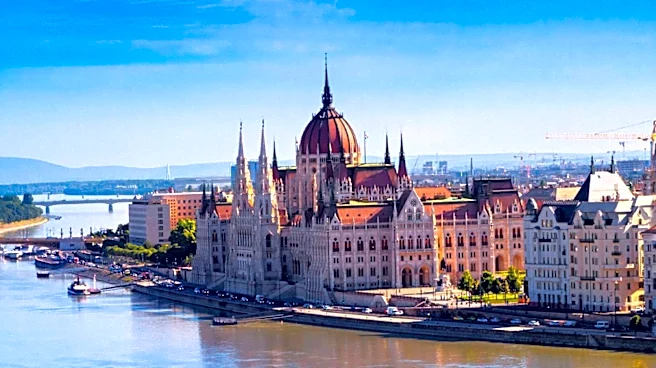
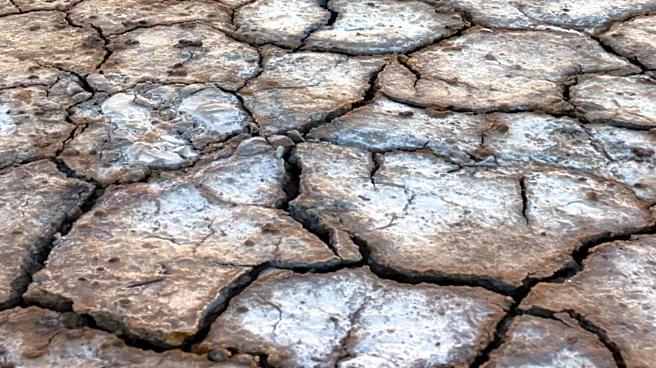
production. In Budapest, Hungary, the river's water level was measured at 23 centimeters, below the previous low of 33 centimeters set in 2018. The drought has forced cruise ships to dock far upriver and halted cargo ship operations. Additionally, nuclear plants in Romania and Hungary have had to shut down reactors due to insufficient cooling water from the Danube. The drought has also exposed historical artifacts and posed safety risks, such as the discovery of a World War II bomb in Budapest.
Why It's Important?
The record-low water levels of the Danube River highlight the severe impact of climate change on Europe's natural resources and infrastructure. The disruption to tourism and industry underscores the economic vulnerabilities faced by regions dependent on river traffic. The shutdown of nuclear reactors due to low water levels raises concerns about energy security and the need for alternative cooling methods. The situation also emphasizes the urgency of addressing climate change to prevent further environmental and economic damage. Stakeholders, including governments and industries, must consider long-term strategies to adapt to changing climate conditions and mitigate their effects.
What's Next?
As the drought persists, further disruptions to river traffic and energy production are likely. Governments and industries may need to implement emergency measures to manage the immediate impacts and explore long-term solutions to enhance resilience against climate change. This could involve investing in alternative energy sources, improving water management systems, and developing infrastructure to withstand extreme weather conditions. The situation may also prompt increased international cooperation to address the broader challenges of climate change and its effects on shared resources like the Danube River.