


What's Happening?
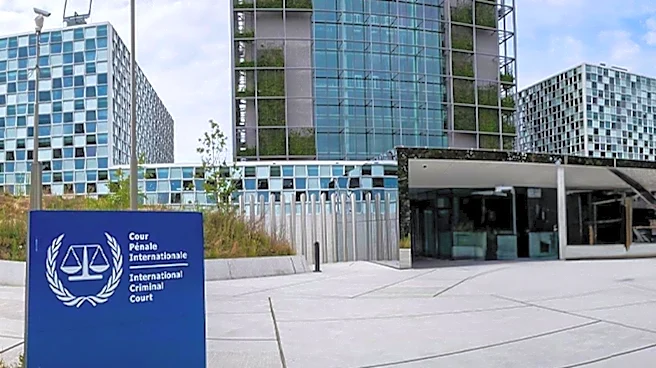
On August 11, 2026, four U.S.-based human rights organizations filed a lawsuit against the Trump administration, contesting Executive Order 14,203, which imposes sanctions on the International Criminal Court (ICC). The American Friends Service Committee,
the Center for Constitutional Rights, Human Rights Watch, and the Open Society Institute argue that the sanctions exceed presidential authority and violate constitutional rights. The executive order targets ICC officials and those involved in investigations of alleged war crimes by Israeli officials. The lawsuit claims the sanctions are arbitrary, capricious, and infringe on First Amendment rights, seeking to have the sanctions regime struck down.
Why It's Important?
This legal challenge highlights significant concerns about the U.S. government's approach to international justice and its implications for global human rights advocacy. The sanctions could undermine efforts to hold individuals accountable for war crimes and crimes against humanity. The case raises questions about the balance of power and the protection of constitutional rights within the U.S., as well as the country's role in supporting or undermining international justice mechanisms. The outcome could influence U.S. foreign policy and its relationship with international legal bodies.
What's Next?
The lawsuit seeks to overturn the sanctions and prevent further designations, challenging the administration's authority under the International Emergency Economic Powers Act. The case could set a precedent for how the U.S. engages with international legal bodies and addresses human rights issues. The court's decision may prompt reactions from international stakeholders, including ICC member states and human rights organizations, potentially influencing U.S. foreign policy and its relationship with international justice systems.