






What's Happening?
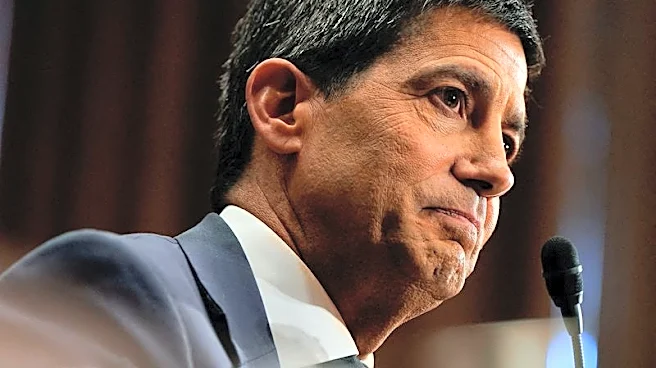
U.S. Senator John Fetterman, a Democrat from Pennsylvania, cast a pivotal vote against a resolution aimed at limiting President Donald Trump's authority to conduct military operations in Iran. This vote marked the seventh occasion Fetterman has diverged
from his party since the conflict began, but it was the first time his vote was decisive due to Republican defections. The resolution failed with a 49-50 vote, as Fetterman was the sole Democrat siding with Republicans, who hold the Senate majority. Notably, three Republican senators—Rand Paul, Susan Collins, and Lisa Murkowski—voted with Democrats. Fetterman has consistently supported the war, arguing it is necessary to prevent Iran from developing nuclear weapons and to dismantle its theocratic regime, despite reports that Iran retains military capabilities.
Why It's Important?
The vote underscores the ongoing division within the U.S. Senate regarding military engagement in Iran. Fetterman's decision to side with Republicans highlights the complexities of party allegiance and the influence of individual lawmakers on foreign policy. The failure of the resolution suggests continued U.S. military involvement in Iran, raising questions about the legality and strategic objectives of the conflict. This development could impact U.S. foreign relations and defense policy, as well as domestic political dynamics, particularly within the Democratic Party, where Fetterman's actions may fuel further debate over party unity and policy direction.
What's Next?
The Senate's decision not to limit President Trump's war powers in Iran may lead to continued military operations in the region. This could prompt further legislative efforts to challenge the president's authority under the War Powers Act. Additionally, Fetterman's repeated breaks with his party may lead to increased speculation about his political future and potential party switch, especially given his recent public statements addressing such rumors. The ongoing conflict and legislative responses will likely remain a contentious issue in U.S. politics, influencing future debates on military engagement and executive power.