



What's Happening?
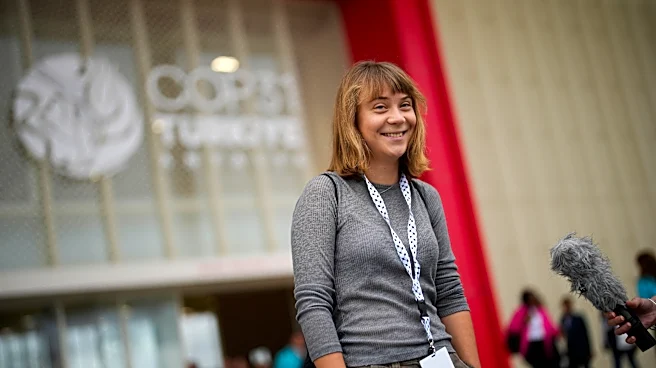
The 2026 UN Climate Change Conference (COP31) is convening in Antalya, Türkiye, from November 9 to 20, 2026. This conference marks the tenth anniversary of the Paris Agreement's entry into force. Co-hosted by Türkiye and Australia, with Murat Kurum of Türkiye as
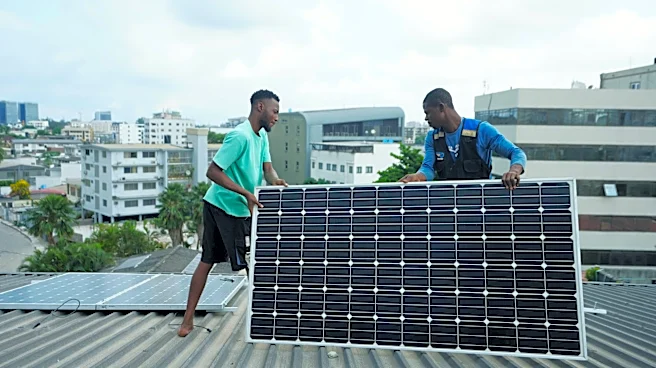
COP31 President-designate and Australia’s climate minister Chris Bowen as President of the Negotiations, the event aims to prioritize consensus, stakeholder engagement, and support for vulnerable countries. Key priorities include increasing global electrification to 35% by 2035, reducing waste generation by 50% by 2035, and decreasing energy intensity in the building sector by at least 25% by 2035. The conference will also focus on green industrialization, climate-resilient agricultural practices, and expanding the Climate Implementation Bridge Mechanism to accelerate Nationally Determined Contributions (NDCs).
Why It's Important?
COP31 is crucial for advancing global climate ambition and translating commitments into measurable progress, particularly in keeping the 1.5°C target within reach. The conference's focus on enhanced finance and adaptation efforts is vital for vulnerable nations disproportionately affected by climate change. The emphasis on human rights, including protecting environmental human rights defenders and integrating the right to science into climate action, highlights a growing recognition of the social dimensions of climate change. The Global Sustainable Insurance Summit, held concurrently, underscores the insurance industry's critical role as risk managers, risk carriers, and investors in catalyzing climate resilience across various economic sectors. The outcomes of COP31 will influence international cooperation, policy frameworks, and financial mechanisms for climate action, impacting global economies and societies.
What's Next?
The conference will feature a Leaders’ Summit on November 11 and 12, bringing together heads of state and government to strengthen political momentum for global climate action and present national commitments. The High-Level Segment will allow senior government representatives to deliver official national statements and share progress. Various thematic days will focus on specific areas like Food, Agriculture and Health; Energy and Transport; and Finance and Trade, fostering targeted dialogue and collaborative solutions. Side events will explore issues such as climate justice, civic space, and just transition, with active engagement from UN human rights experts. Ahead of COP31, UN human rights experts have urged Australia to match its co-hosting role with stronger rights-based climate action, calling for accelerated efforts to phase out fossil fuels and align climate commitments with the 1.5°C pathway.
Beyond the Headlines
Beyond the immediate policy discussions, COP31 highlights the intricate interlinkages between climate change and broader societal issues, including human rights, economic prosperity, and social justice. The focus on protecting environmental human rights defenders underscores the risks faced by those advocating for climate justice and the importance of civic space in climate decision-making. The integration of the 'right to science' into climate action emphasizes the need for evidence-based policy-making and the role of scientific knowledge in informing global climate strategies. The conference also implicitly addresses the ethical dimensions of climate change, particularly concerning the disproportionate impact on vulnerable populations and the need for equitable transitions away from fossil fuels. The discussions at COP31 will shape not only environmental policies but also influence legal frameworks, corporate responsibilities, and the future of international cooperation on global challenges.