





What's Happening?
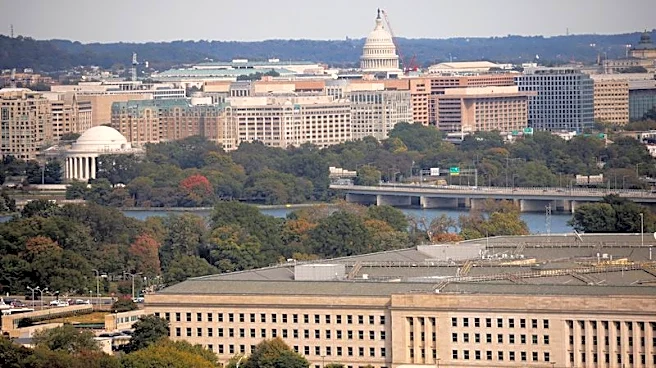
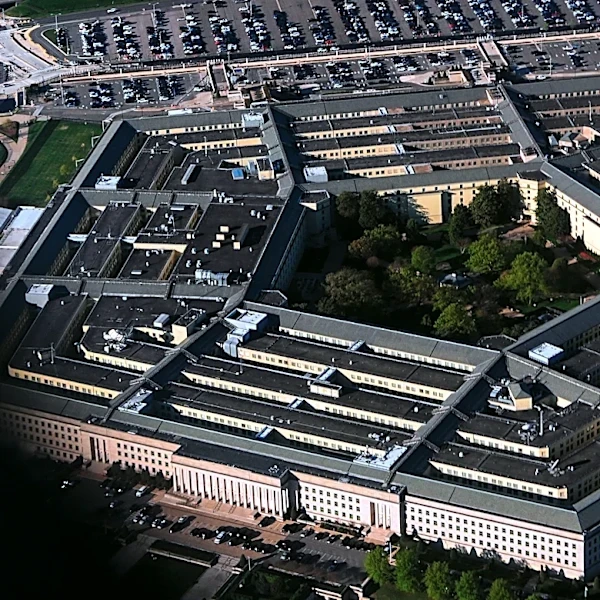
A federal judge has ruled that the Pentagon's press policy, which restricted journalists' access, is unconstitutional. The policy, introduced in 2025, allowed the Pentagon to revoke journalists' security access if they solicited unauthorized information.
This led to many journalists losing access, with the remaining press corps largely composed of conservative and non-traditional media outlets. The New York Times sued the Pentagon, arguing the policy violated the First Amendment. Judge Paul Friedman found that the revised policy, which closed the 'Correspondents’ Corridor' and required escorts for journalists, was an attempt to circumvent his previous order. The Pentagon plans to appeal the ruling, maintaining compliance with the court's order.
Why It's Important?
This ruling underscores the ongoing tension between national security and press freedom. The decision is significant for U.S. journalism, as it reaffirms the First Amendment's protection of independent journalism against government overreach. The case highlights the challenges faced by media outlets in accessing information critical to public awareness and government accountability. The outcome could influence future policies on media access to government institutions, impacting how the public receives information about national security and defense matters.
What's Next?
The Pentagon's decision to appeal suggests a prolonged legal battle, which could set precedents for future press access policies. The court has ordered the Pentagon to report on compliance steps, which may lead to further legal scrutiny. Media organizations and press freedom advocates are likely to continue challenging restrictive policies, potentially leading to broader discussions on balancing security and transparency. The outcome of the appeal could influence how other government agencies approach media relations.