









What's Happening?
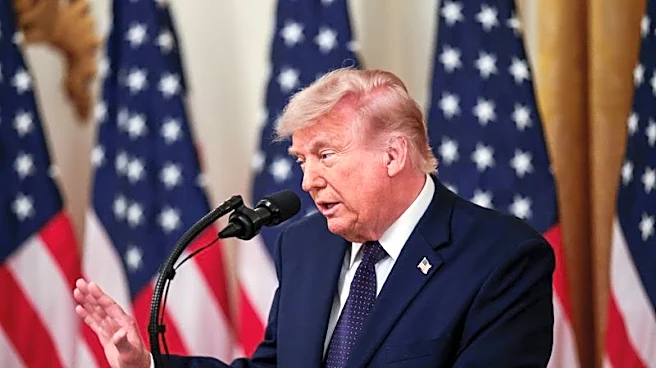
The U.S. House education committee recently held a contentious hearing where superintendents from major school districts were questioned about their policies on transgender students. The hearing, led by Republican committee members, focused on issues
such as the use of restrooms and locker rooms by transgender students and the transparency of schools in discussing gender and sexuality. The hearing was marked by a clash between Republican and Democratic members, with Republicans citing President Trump's executive order that threatens to withhold federal funding from schools allowing transgender girls to participate in girls' sports. Democrats criticized the hearing as a distraction from more pressing educational issues, such as racial discrimination and disability rights. The superintendents defended their policies, emphasizing compliance with state and federal laws and the importance of creating inclusive environments for all students.
Why It's Important?
This hearing highlights the ongoing national debate over transgender rights in schools, a topic that has become a focal point in the broader cultural and political 'culture wars.' The outcome of these discussions could significantly impact federal and state education policies, particularly concerning civil rights enforcement and funding. The debate also reflects deeper partisan divides, with potential implications for upcoming elections as both parties seek to address or capitalize on these contentious issues. The decisions made could affect the rights and protections of transgender students across the country, influencing the educational environment and the role of federal oversight in local school policies.
What's Next?
The legal landscape surrounding transgender rights in schools is still evolving, with potential implications for future court rulings and legislative actions. The U.S. Department of Education's ongoing investigations and lawsuits against states with policies supporting transgender students suggest that this issue will remain a significant point of contention. Stakeholders, including educators, parents, and civil rights organizations, are likely to continue advocating for their positions, potentially leading to further legislative proposals or legal challenges. The outcome of these efforts could shape the future of educational policy and civil rights protections in the U.S.