



What's Happening?
President Trump announced that China has pledged to stop selling weapons to Iran following a personal exchange with Chinese leader Xi Jinping. This development coincides with the U.S. declaration that the Strait of Hormuz is now permanently open to international
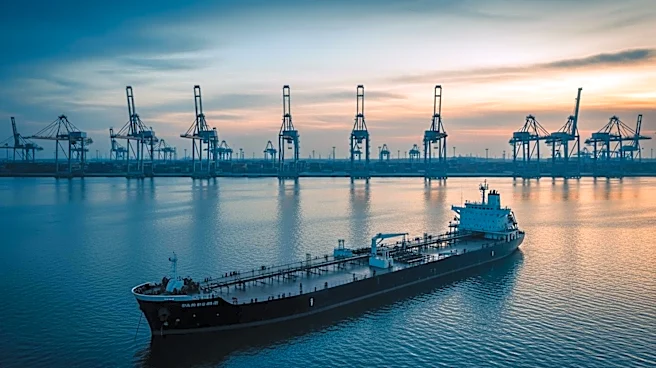
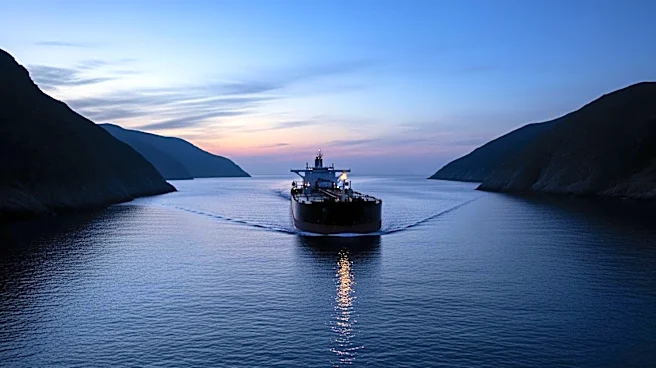
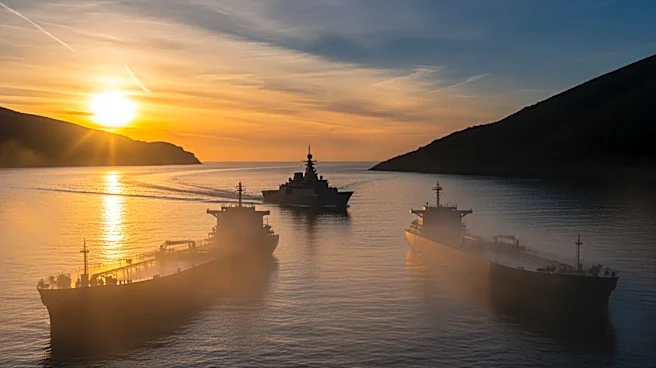
shipping, following a naval blockade aimed at pressuring Iran. The blockade has effectively halted trade through the strait, a critical chokepoint for global oil shipments. The U.S. aims to leverage this blockade to push Iran towards negotiations, while China, heavily reliant on Iranian oil, faces economic implications. The announcement comes ahead of President Trump's planned visit to China, where he hopes to secure a trade deal.
Why It's Important?
The U.S. blockade of the Strait of Hormuz and China's pledge to halt arms sales to Iran are significant in the context of global security and economic stability. The blockade disrupts a major oil supply route, potentially affecting global oil prices and economic conditions. For China, which imports a substantial amount of oil through the strait, the blockade poses economic challenges. The situation also reflects the strategic maneuvering between the U.S. and China, with both nations seeking to maintain influence in the region. The outcome of these developments could impact international trade, diplomatic relations, and regional stability.
What's Next?
The international community will be watching closely as the situation in the Strait of Hormuz unfolds. The U.S. may continue to use the blockade as leverage in negotiations with Iran, while China may seek to mitigate the economic impact of the blockade. President Trump's upcoming visit to China could provide an opportunity for diplomatic engagement, potentially easing tensions if a trade agreement is reached. However, the blockade's long-term effects on global oil markets and regional dynamics remain uncertain.