
What's Happening?
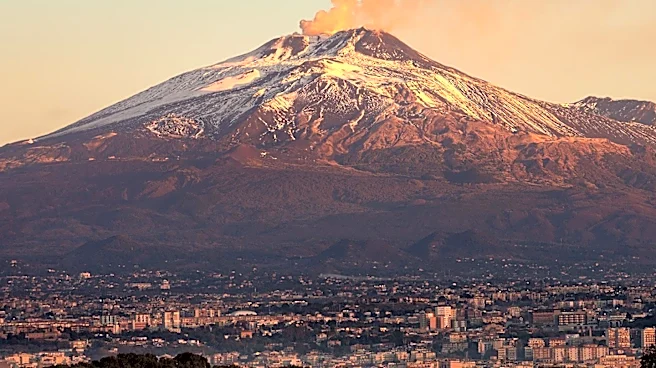
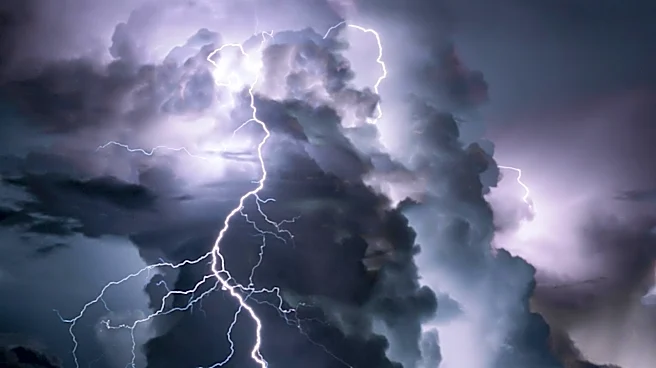
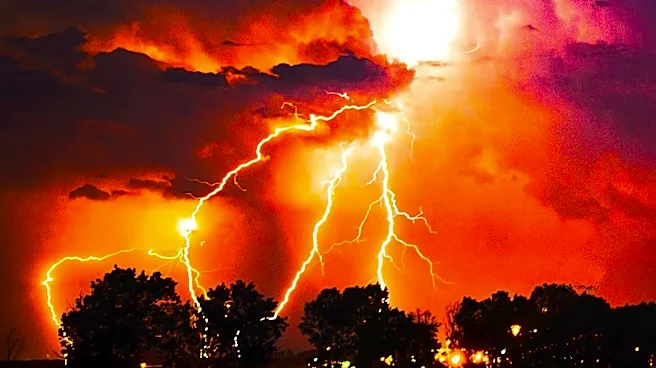
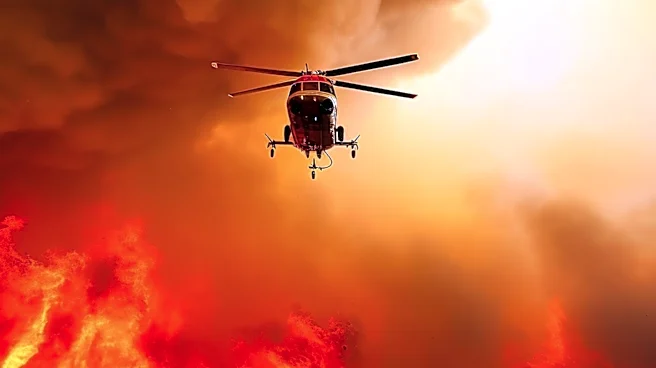
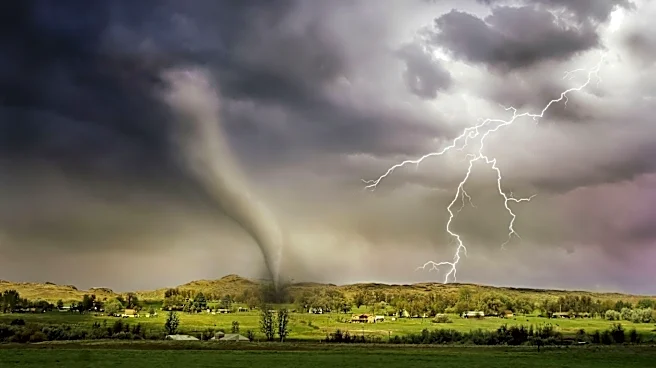
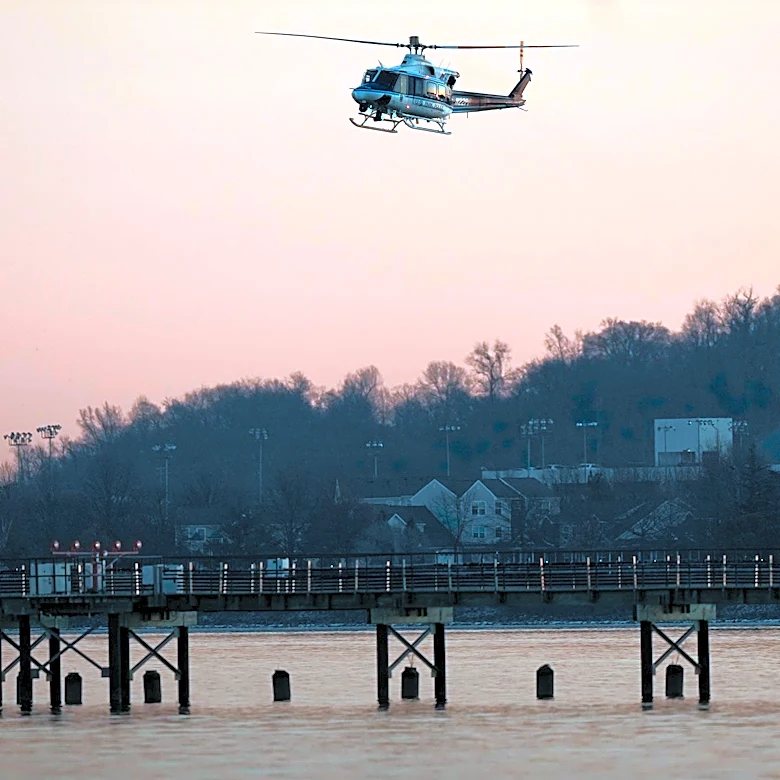
A 29-year-old American tourist died after being struck by lightning while hiking on Mount Etna in Sicily, Italy. The incident occurred on Sunday during a severe thunderstorm that swept across the active volcano. Emergency services, including a firefighter
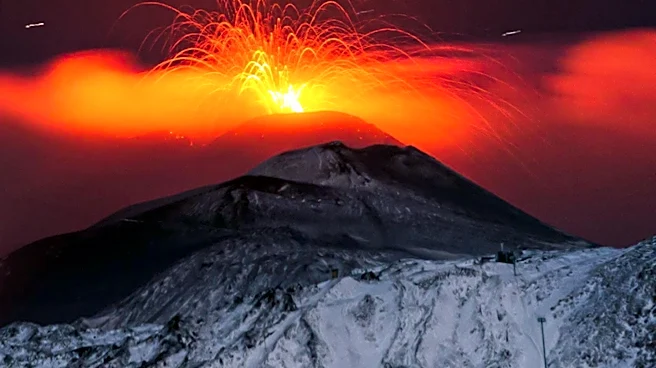
helicopter, were dispatched to the isolated Rocca Capra area, approximately 1,400 meters above sea level, where the man was found in cardiac arrest. Despite resuscitation efforts and being airlifted to Catania's Cannizzaro hospital, he was pronounced dead. Authorities are investigating the incident, noting that the hiker may have been in an area restricted due to Etna's recent eruptive activity. Mount Etna has been highly active, with the National Institute of Geophysics and Volcanology (INGV) reporting a new lava vent and ongoing explosive activity, causing an eruption plume to rise to about 6,000 meters above sea level and drifting south-east. Volcanic tremors remain at high, steady levels, indicating continued activity.
Why It's Important?
This tragic event underscores the significant risks associated with natural phenomena, particularly in areas with active volcanoes and unpredictable weather patterns. For U.S. citizens traveling abroad, it highlights the critical importance of adhering to local safety regulations and warnings, especially in hazardous environments. The death of an American tourist can prompt increased awareness and potentially lead to advisories from U.S. travel authorities regarding safety precautions in regions prone to volcanic activity and severe weather. The ongoing volcanic activity of Mount Etna also impacts regional infrastructure, such as air traffic at Catania-Fontanarossa airport, which has experienced flight restrictions due to ash in the atmosphere. This disruption can affect travel plans for numerous international tourists, including those from the U.S., and has broader implications for the local tourism industry, a significant economic driver for Sicily.
What's Next?
Authorities in Italy will continue their investigation into the circumstances surrounding the American hiker's death, including whether he was in a restricted area. This investigation may lead to further public advisories or enforcement of access limitations on Mount Etna. The INGV will maintain close monitoring of Mount Etna's volcanic activity, and any significant changes could result in updated warnings or further restrictions for both locals and tourists. Travelers planning to visit the region will need to stay informed about the volcano's status and potential impacts on air travel and access to certain areas. Mountain rescue teams are likely to reiterate warnings about the dangers of thunderstorms in mountainous regions, advising hikers to seek shelter immediately if lightning or thunder is observed. The incident may also prompt discussions among U.S. travel agencies and tour operators about enhancing safety briefings for clients visiting such high-risk natural attractions.
Beyond the Headlines
The incident brings to light the inherent dangers of engaging with powerful natural environments, even for experienced hikers. It serves as a stark reminder of the unpredictable nature of volcanoes and weather systems, challenging the perception of safety in popular tourist destinations. Beyond the immediate tragedy, there are broader implications for how tourism and natural hazard management intersect. The balance between allowing public access to natural wonders and ensuring safety is a continuous challenge for local authorities. This event could trigger a re-evaluation of safety protocols, signage, and public awareness campaigns around active volcanoes, potentially influencing how other countries manage similar natural attractions. It also highlights the psychological impact of such events on communities and emergency responders, who frequently deal with the aftermath of natural disasters and accidents.