




What's Happening?
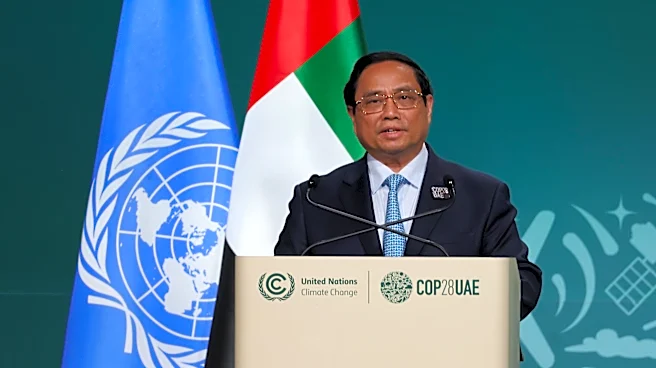
Prime Minister Justin Nsengiyumva is representing President Paul Kagame at the 31st UN Climate Change Conference (COP31) in Antalya, Türkiye. The summit, running from November 9 to November 20, 2026, includes a World Leaders' Summit on November 11 and
12. Rwanda's primary objective at COP31 is to push for a clear roadmap to deliver $300 billion in annual climate finance to developing countries by 2035. This initiative is part of ongoing efforts to address the impacts of climate change, such as rising temperatures, stronger storms, prolonged droughts, and rising sea levels, which disproportionately affect developing nations. The conference aims to build upon the 2015 Paris Agreement, which sought to limit global temperature rise to 1.5 degrees Celsius.
Why It's Important?
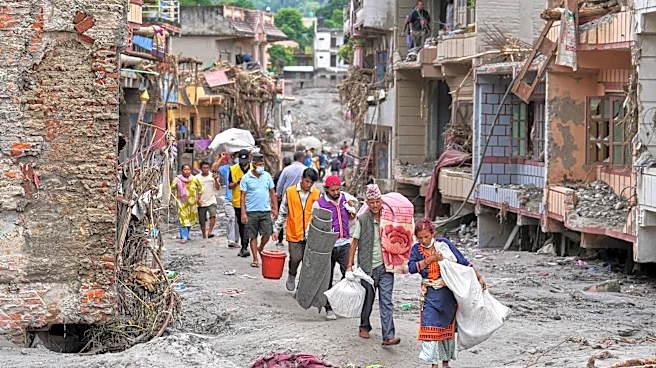
The push for $300 billion in annual climate finance is crucial for developing countries, including Rwanda, as they face significant threats to livelihoods, food production, health, and infrastructure due to climate change. Securing this funding would enable these nations to implement adaptation measures, such as protecting farms, ensuring water supplies, and reinforcing infrastructure against climate impacts. The outcome of COP31 regarding this finance roadmap will directly influence the ability of vulnerable communities to mitigate the effects of droughts, floods, and rising sea levels. For the U.S. and other developed nations, this represents a significant financial commitment and a test of international cooperation on climate action, potentially influencing global economic stability and diplomatic relations.
What's Next?
The COP31 summit is scheduled to conclude on November 20, 2026. Key discussions and negotiations will continue, particularly during the World Leaders' Summit on November 11 and 12. The central question remains whether COP31 will establish a concrete roadmap for the proposed $300 billion annual climate finance target by 2035. The decisions made at this conference will determine the trajectory of climate finance for developing countries and the global effort to achieve the goals set by the Paris Agreement. Stakeholders, including political leaders, business entities, and civil society groups, will closely monitor the outcomes to assess the commitment to climate action and financial support.
Beyond the Headlines
The debate over climate finance at COP31 highlights a broader ethical and economic challenge: the responsibility of developed nations, historically larger contributors to greenhouse gas emissions, to support developing countries in their climate adaptation and mitigation efforts. This issue touches upon global equity and justice, as developing nations often bear the brunt of climate change impacts despite contributing less to the problem. The success or failure of securing this funding could set precedents for future international climate negotiations and influence the trust and cooperation between nations. It also underscores the long-term shift towards a global economy that must integrate climate resilience and sustainable development, potentially leading to new investment opportunities in green technologies and infrastructure.