


What's Happening?
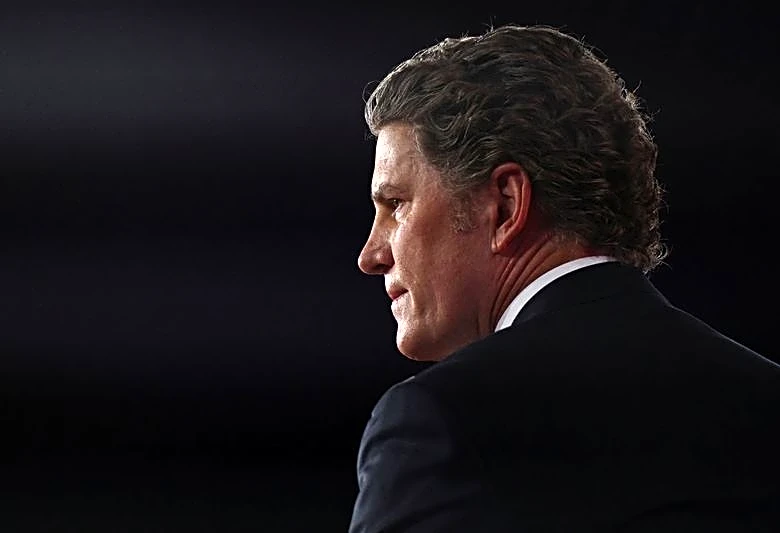
Pennsylvania Senator John Fetterman is facing significant public criticism and increasing alienation from the Democratic Party. This comes amid allegations from former staffers and reports, including one from The Wall Street Journal, suggesting he has
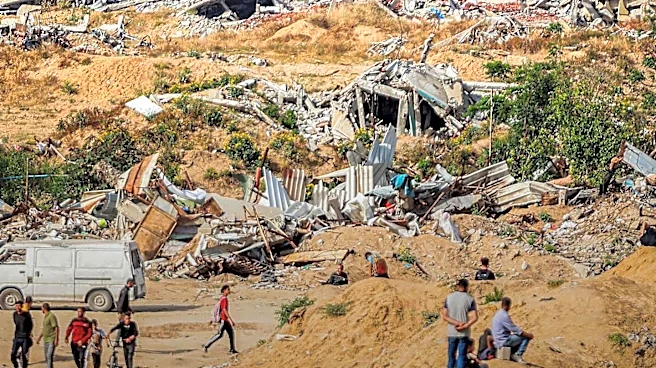
shown little interest in core congressional duties. A social media account, purportedly run by former Fetterman staffers, has promised to release stories and screenshots to expose the Senator's conduct. Adam Jentleson, Fetterman's former chief of staff, corroborated these concerns, stating that Fetterman had to be 'begged' to perform basic job functions and expressed worries about his mental health. Jentleson, who resigned in 2024 citing mental health concerns, believes Fetterman is struggling and that Pennsylvanians deserve better representation if he cannot perform his duties. Fetterman has dismissed these allegations as 'lies, half-truths, innuendos, smears,' emphasizing his commitment to serving Pennsylvania. The criticism also stems from his strong support of Israel and its war on Gaza, which has further distanced him from many within his party.
Why It's Important?
The ongoing scrutiny of Senator Fetterman's job performance and his growing detachment from the Democratic Party carry significant implications for U.S. politics, particularly for the Democratic Party's efforts to maintain or expand its Senate majority. If Fetterman's alleged disengagement continues or escalates, it could undermine voter confidence in his ability to effectively represent Pennsylvania, a crucial swing state. His strong pro-Israel stance, while aligning him with some Republicans, has created a rift within the Democratic Party, potentially weakening party unity on key foreign policy issues. Furthermore, the high staff turnover rate in his office, reported as the third-highest in the Senate, suggests internal dysfunction that could hinder legislative effectiveness. The situation also highlights the broader challenge of public accountability for elected officials, especially when concerns about their capacity to serve are raised by former staff. The potential for a party switch, though denied by Fetterman, could dramatically alter the balance of power in the Senate, impacting legislative agendas and committee assignments.
What's Next?
As Congress reconvenes, the social media account run by 'Former Fetterman Staffers' has pledged to release further 'stories and screenshots,' which could intensify public and media scrutiny on Senator Fetterman. The Democratic Party will likely monitor the situation closely, especially with midterm elections approaching, as Fetterman's standing could influence voter perceptions in Pennsylvania and beyond. There is ongoing speculation about his political future, including whether he might eventually leave the Democratic Party, though he has stated he will remain a Democrat. If the allegations of disengagement persist, it could lead to increased pressure from constituents and party leaders for him to address these concerns or potentially consider his position. The impact on his legislative effectiveness and ability to secure re-election in 2028 will depend on how he navigates these challenges and whether he can rebuild trust with his party and the electorate.
Beyond the Headlines
Beyond the immediate political ramifications, the situation surrounding Senator Fetterman raises deeper questions about the expectations placed on elected officials and the support systems available to them, particularly concerning mental health. Adam Jentleson's public statements about Fetterman's struggles underscore the human element of public service and the pressures that come with high-profile political roles. The allegations of disengagement also touch upon the ethical responsibilities of elected representatives to their constituents, especially regarding their commitment to legislative duties and engagement with diverse groups. The growing divide between Fetterman and the progressive wing of the Democratic Party, particularly on foreign policy issues like the Israel-Gaza conflict, reflects broader ideological shifts and tensions within the party. This dynamic could foreshadow future internal conflicts and realignments within the Democratic coalition, impacting its long-term policy direction and electoral strategies.