



What's Happening?
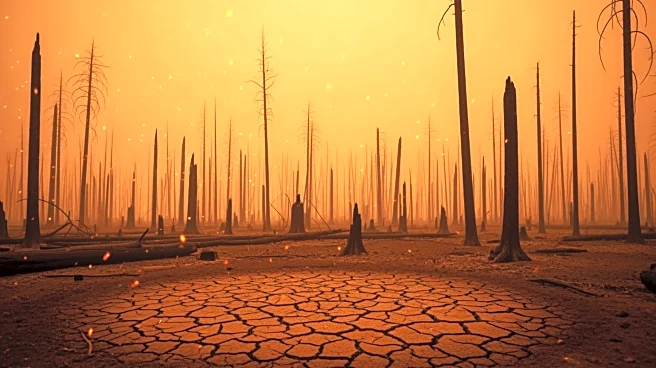
Wildfires have ravaged central and southern Chile, resulting in the deaths of at least 18 people and forcing 50,000 residents to evacuate. The fires have destroyed thousands of acres of forest and hundreds of homes, exacerbated by a severe summer heat
wave. Chilean President Gabriel Boric has declared a state of catastrophe in the affected regions, allowing for greater military coordination to combat the fires. The situation remains dire as firefighters struggle against high temperatures and strong winds, with the potential for further destruction.
Why It's Important?
The wildfires in Chile are a stark reminder of the increasing frequency and intensity of natural disasters linked to climate change. The devastation highlights the urgent need for improved disaster preparedness and response strategies. The fires also pose significant environmental and economic challenges, threatening biodiversity and local economies dependent on agriculture and forestry. The international community may need to consider collaborative efforts to address the root causes of such disasters and support affected regions in recovery and resilience building.
What's Next?
As the fires continue to burn, the Chilean government is likely to focus on immediate relief efforts and long-term recovery plans. This may include rebuilding infrastructure, providing support to displaced families, and implementing measures to prevent future wildfires. The situation may also prompt discussions on climate policy and international cooperation to address the broader impacts of climate change. Monitoring weather conditions and coordinating with neighboring countries will be crucial in managing the ongoing crisis.