




What's Happening?
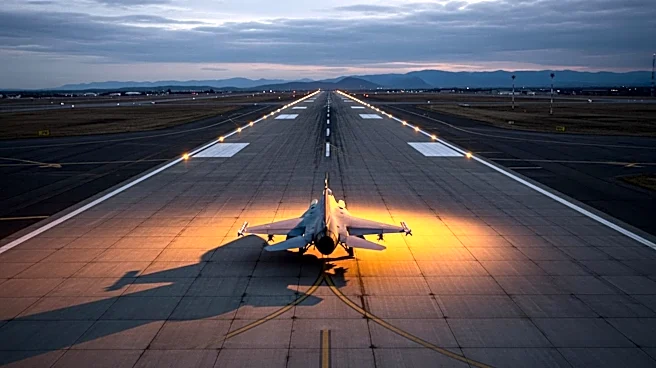
Pakistan has reportedly allowed Iranian military aircraft to park on its airfields, potentially shielding them from American airstrikes, according to U.S. officials. This development comes as Pakistan positions itself as a diplomatic intermediary between
Tehran and Washington amidst ongoing tensions. The aircraft were reportedly stationed at Pakistan Air Force Base Nur Khan, a strategic military installation near Rawalpindi. This move is seen as part of an effort to protect Iran's military assets from the expanding conflict, even as Pakistan publicly serves as a broker for de-escalation. The situation is further complicated by Pakistan's increasing reliance on China for military assistance, with China supplying a significant portion of Pakistan's major arms in recent years. China has also celebrated Pakistan's role in facilitating indirect communications between Iran and the U.S.
Why It's Important?
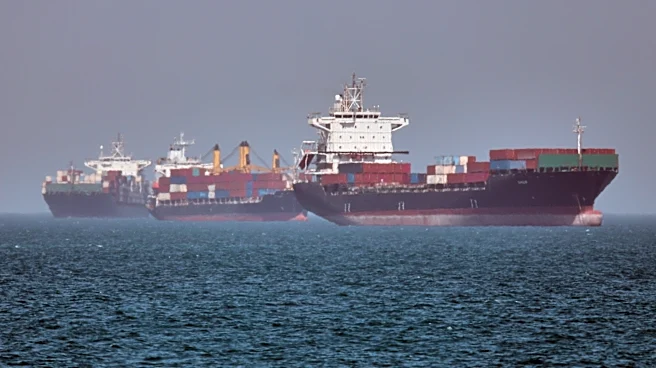
The involvement of Pakistan in the U.S.-Iran conflict highlights the complex geopolitical dynamics in the region. By allowing Iranian military aircraft on its airfields, Pakistan risks straining its relations with the U.S., while simultaneously maintaining its ties with Iran and China. This situation underscores the delicate balance Pakistan must maintain in its foreign policy, as it navigates its role as a mediator while avoiding actions that could alienate key allies. The broader implications include potential shifts in regional alliances and the impact on U.S. foreign policy, particularly in relation to its strategy in the Middle East and South Asia. The situation also reflects the ongoing challenges in achieving a stable ceasefire between Iran and the U.S., with continued small-scale clashes around the Strait of Hormuz.
What's Next?
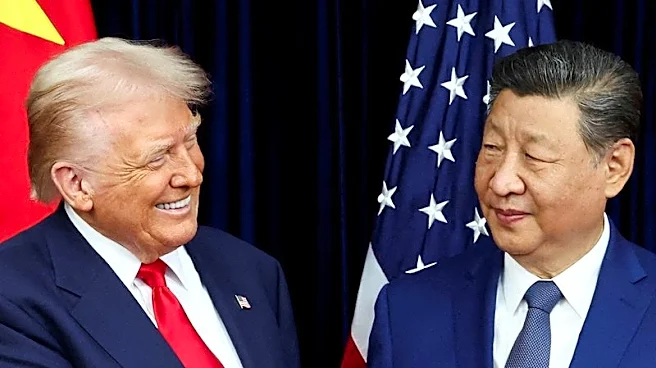
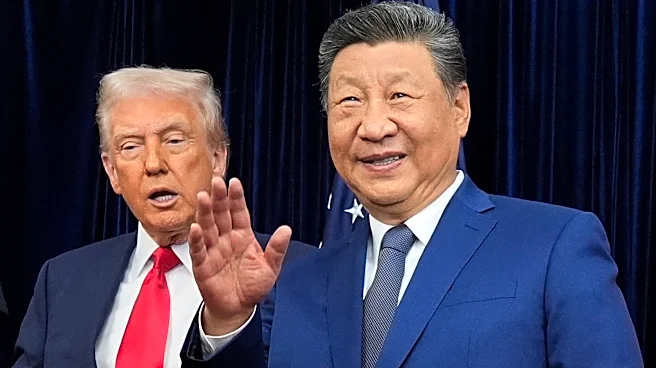
The future of Pakistan's role in the U.S.-Iran conflict remains uncertain. As tensions persist, Pakistan may face increased pressure from both the U.S. and Iran to clarify its position. The U.S. may seek assurances from Pakistan regarding its military cooperation with Iran, while Iran may continue to leverage its relationship with Pakistan to protect its military assets. Additionally, the upcoming talks between President Trump and Chinese President Xi Jinping could influence the dynamics of the conflict, as China plays a significant role in the region. The outcome of these talks may impact Pakistan's diplomatic strategy and its relations with both the U.S. and Iran.