







What's Happening?
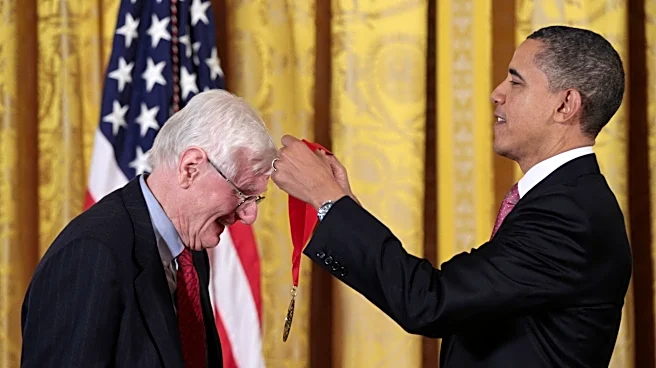
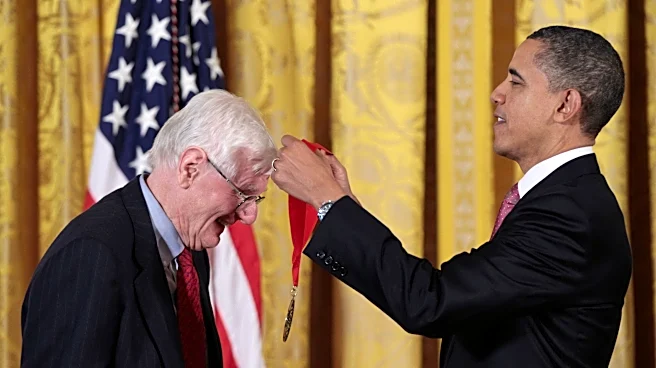
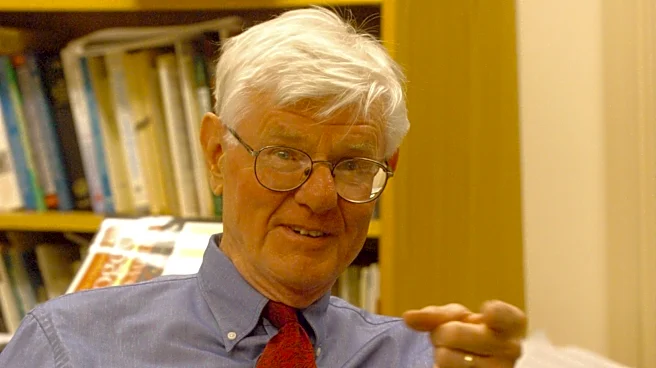
Gordon S. Wood, a renowned historian and professor emeritus at Brown University, passed away at the age of 92 after being struck by a car in a supermarket parking lot in East Providence, Rhode Island. Wood was a prominent figure in the field of American
history, known for his influential works on the American Revolution, including 'The Creation of the American Republic' and 'The Radicalism of the American Revolution.' His scholarship has been widely recognized, earning him prestigious awards such as the Bancroft Prize and the Pulitzer Prize. Wood's work has been a staple in academic discussions about the formation of the United States and its early years of independence. Despite his passing, his contributions to the field continue to be celebrated by peers and students alike.
Why It's Important?
Gordon Wood's death marks the loss of a significant voice in the study of American history. His work has shaped the understanding of the American Revolution and its impact on the formation of the United States. Wood's scholarship challenged traditional narratives and offered new perspectives on the social and political changes that occurred during the revolutionary period. His influence extended beyond academia, as his ideas were referenced in popular culture, including the film 'Good Will Hunting.' Wood's passing is a reminder of the importance of historical scholarship in shaping public discourse and understanding of national identity. His legacy will continue to influence future generations of historians and students.
What's Next?
Following Gordon Wood's death, there may be renewed interest in his work and its impact on the field of history. Academic institutions and historians may organize events or publications to honor his contributions and explore the themes he addressed in his research. Additionally, discussions about the interpretation of the American Revolution and its legacy may gain traction, as scholars reflect on Wood's perspectives and their relevance to contemporary issues. The academic community may also consider how to continue Wood's work in exploring the complexities of American history and its foundational events.
Beyond the Headlines
Gordon Wood's scholarship often sparked debate among historians, particularly regarding his interpretations of the American Revolution and its social implications. While some praised his work for its depth and insight, others criticized it for not adequately addressing the roles of marginalized groups in history. Wood's approach to history emphasized a balanced view, avoiding extremes and focusing on understanding historical events in their context. His passing may prompt further examination of these debates and encourage historians to explore new methodologies and perspectives in the study of history. Wood's legacy highlights the ongoing evolution of historical scholarship and its role in shaping societal narratives.