








What's Happening?
The U.S. Department of Veterans Affairs (VA) has allocated $2 million in grants to 10 community-based organizations across California. This funding is specifically designated for adaptive sports programs aimed at Veterans and active-duty service members
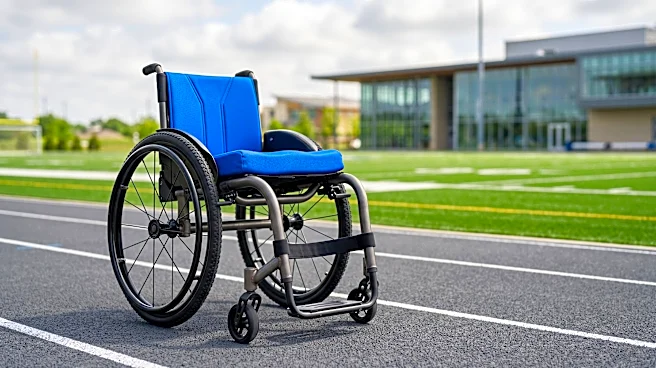
with disabilities. These California grants are part of a larger national initiative by the VA, which has awarded a total of $16 million to 91 organizations nationwide to advance adaptive sports. The programs offer a diverse range of competitive and recreational activities, including archery, skiing, cycling, wheelchair softball, hunting, and fishing. According to Kristan Murray, Interim Executive Medical Center Director for VA Palo Alto Health Care System, adaptive sports are crucial for rehabilitation, recovery, and overall wellness for many Veterans. The VA's Adaptive Sports Grant Program has distributed over $150 million to expand access to these programs nationwide since its inception.
Why It's Important?
This initiative is important because it directly addresses the physical and mental well-being of U.S. Veterans and service members with disabilities. Adaptive sports provide a vital pathway for rehabilitation, fostering independence, improving quality of life, and building confidence among participants. By engaging in these activities, Veterans can experience camaraderie and a sense of purpose, which are critical components of successful reintegration and long-term health. The funding not only supports existing programs but also enables their expansion, making these beneficial opportunities accessible to more individuals. This investment underscores the VA's commitment to holistic care beyond traditional medical treatments, recognizing the therapeutic power of sports and community engagement in the recovery process for those who have served the nation.
What's Next?
The awarded grants will enable the 10 California organizations, and the 91 organizations nationwide, to continue and expand their adaptive sports programs. This means more Veterans and active-duty service members with disabilities will have access to activities that promote their physical and mental health. The VA will likely continue to monitor the effectiveness of these programs and assess the impact of the grants on the Veterans served. Future funding cycles for the Adaptive Sports Grant Program are anticipated, building on the over $150 million already awarded. Community-based organizations will continue to play a crucial role in delivering these services, and partnerships between the VA and these organizations are expected to strengthen, ensuring sustained support for adaptive sports initiatives.
Beyond the Headlines
Beyond the immediate benefits of physical activity and rehabilitation, these adaptive sports programs contribute to a broader societal shift in how disability is perceived and supported. They challenge conventional notions of limitation, highlighting the capabilities and resilience of Veterans with disabilities. The emphasis on competitive and recreational activities helps combat social isolation and promotes a sense of belonging, which can be particularly impactful for individuals transitioning from military service or coping with life-altering injuries. Furthermore, these programs can inspire innovation in adaptive equipment and training methodologies, benefiting not only Veterans but also the wider disabled community. The long-term impact extends to fostering a more inclusive society that values and supports the active participation of all its members, regardless of physical challenges.