






What's Happening?
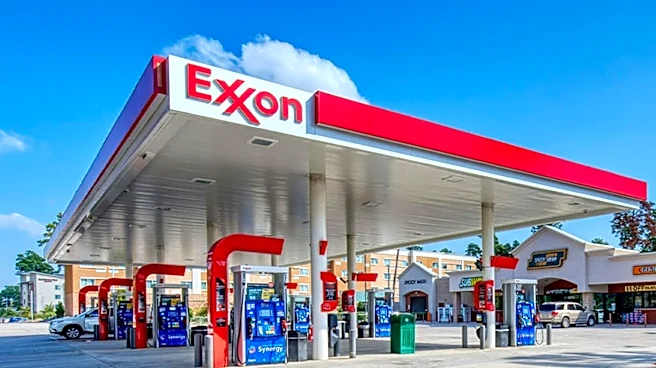
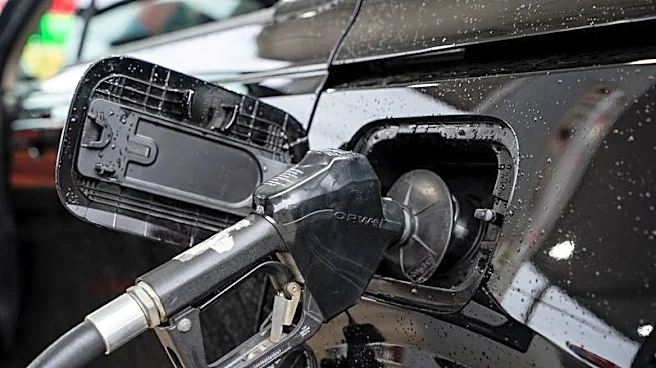
President Trump's recently launched 'Freedom Fuel' gas stations, which promised to offer fuel at a competitive price of $3.47 per gallon, are experiencing price hikes. According to data from GasBuddy, the actual prices at these stations are higher than
initially advertised, with some locations charging as much as $4.49 per gallon. The White House had announced the network with the intention of providing cheaper fuel options, but the prices have been fluctuating significantly, sometimes exceeding the national average of $3.80 per gallon. A White House representative acknowledged that the prices are subject to market and location-based fluctuations. Experts have criticized the sustainability of the pricing strategy, citing rising crude oil prices and market volatility as contributing factors.
Why It's Important?
The price fluctuations at President Trump's 'Freedom Fuel' stations highlight the challenges of maintaining low fuel prices in a volatile market. This development is significant as it underscores the broader economic pressures faced by consumers and the complexities involved in fuel pricing. The initiative, which was intended to offer relief to consumers, may not achieve its goal if prices continue to rise. This situation also reflects on the feasibility of political promises in the face of economic realities, potentially affecting public perception and trust in such initiatives. The outcome of this pricing strategy could influence future policy decisions related to energy and consumer protection.
What's Next?
The future of the 'Freedom Fuel' stations will likely depend on how the market evolves and whether the initiative can sustain its pricing model. If prices continue to rise, there may be increased scrutiny and criticism from both consumers and political opponents. The White House may need to reassess its strategy and consider alternative measures to stabilize prices. Additionally, the response from consumers and the impact on President Trump's political standing could shape the administration's approach to similar initiatives in the future.
Beyond the Headlines
The situation with 'Freedom Fuel' stations raises questions about the transparency and management of such initiatives. The lack of clarity regarding how the stations are subsidizing costs and the identity of the companies running them could lead to further investigation. This scenario also reflects on the broader issue of political branding and its effectiveness in addressing economic challenges. The long-term implications could include a reevaluation of how political figures leverage personal branding in public policy and economic ventures.