






What's Happening?
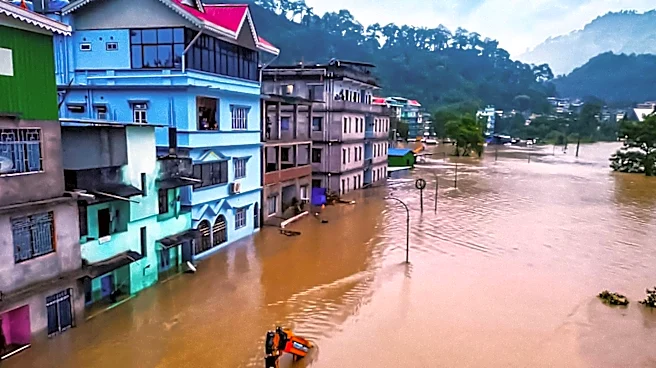
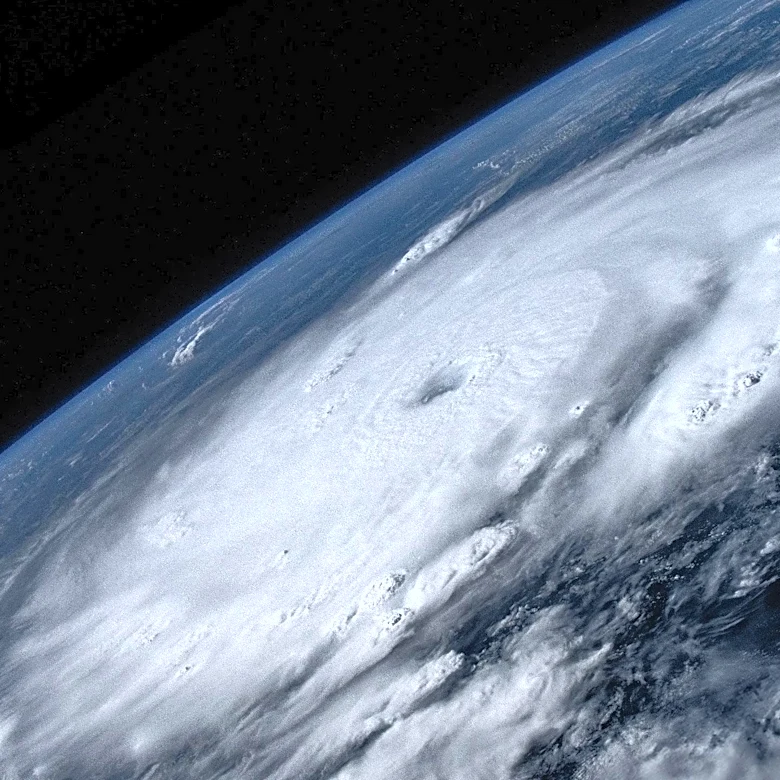
A recent study highlights the increasing risk of compound flooding due to climate change, with projections showing a significant rise in extreme flood events by the end of the century. The study compares recent climate data with extreme climate-change
projections, indicating a 61-115% increase in the probability of extreme hazards near coastlines and a 92-204% increase inland. This is attributed to more intense hurricanes and increased moisture in the atmosphere. The study also notes that sea level rise and increased rainfall will exacerbate flood risks, potentially making some coastal areas unlivable by late this century.
Why It's Important?
The findings underscore the urgent need for comprehensive flood risk management and climate adaptation strategies. As extreme weather events become more frequent and severe, they pose significant threats to infrastructure, economies, and communities, particularly in coastal and low-lying areas. The potential for increased flooding could lead to substantial economic losses, displacement of populations, and challenges in urban planning and development. Addressing these risks requires coordinated efforts from governments, businesses, and communities to enhance resilience and reduce vulnerability to climate impacts.
What's Next?
Policymakers and stakeholders may need to prioritize investments in flood defenses, infrastructure upgrades, and sustainable urban planning to mitigate the impacts of future flooding. The development of early warning systems and emergency response plans will be crucial in protecting communities and minimizing damage. International cooperation and knowledge sharing can help countries develop effective strategies to address the growing threat of compound flooding. Continued research and monitoring of climate trends will be essential in informing policy decisions and adaptation measures.
Beyond the Headlines
The increasing flood risks highlight the broader implications of climate change on global security and stability. As natural disasters become more frequent, they can exacerbate existing social and economic inequalities, leading to potential conflicts over resources and migration pressures. The ethical considerations of climate adaptation, particularly in vulnerable regions, raise questions about equity and justice in addressing climate impacts. Long-term solutions will require a holistic approach that considers environmental, social, and economic factors.