






What's Happening?
The number of Nebraskans receiving public food aid through the Supplemental Nutrition Assistance Program (SNAP) has decreased by nearly 17% since July of the previous year. This decline, amounting to about 25,000 individuals, coincides with the implementation
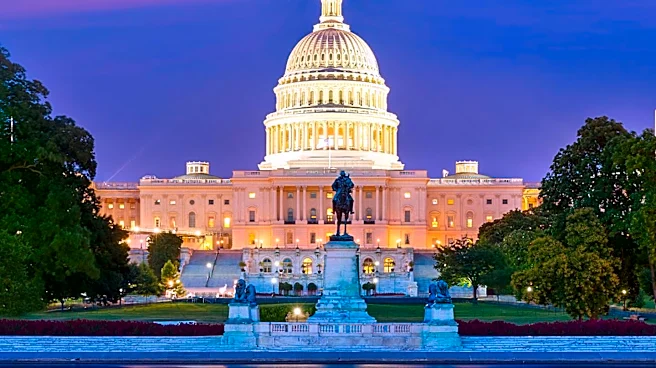
of a significant federal tax and spending cuts package approved by Congress in 2025. The Nebraska Department of Health and Human Services (DHHS) reports that the sharpest monthly drop occurred between May and June, with nearly 6,000 fewer participants. Advocacy groups attribute this decline to stricter state verification processes and eligibility changes mandated by the new federal law. These changes have reportedly made it more challenging for individuals, including refugees, veterans, and those recently aged out of foster care, to access food assistance. The DHHS maintains that its verification practices comply with federal guidelines and are designed to ensure accurate eligibility determinations.
Why It's Important?
The reduction in SNAP participation in Nebraska highlights the broader impact of federal policy changes on vulnerable populations. As grocery prices and inflation continue to rise, the decrease in food aid exacerbates financial strain on low-income families, potentially increasing reliance on emergency food systems. The situation underscores the tension between efforts to reduce government spending and the need to support those facing economic hardship. While proponents of the policy argue it promotes self-sufficiency and accountability, critics warn of the adverse effects on public health and community stability. The changes also place additional administrative burdens on state agencies tasked with implementing federal mandates, potentially affecting their ability to efficiently process applications and distribute benefits.
What's Next?
Nebraska DHHS is closely monitoring SNAP participation trends and their implications, while working to address increased application processing times. The state aims to maintain benefit accuracy and minimize payment errors to avoid potential financial penalties. Advocacy groups are likely to continue pushing for policy adjustments to ease access to food assistance, especially for those facing significant barriers. The ongoing debate over the balance between fiscal responsibility and social welfare support is expected to persist, with potential implications for future legislative actions at both state and federal levels.