



What's Happening?
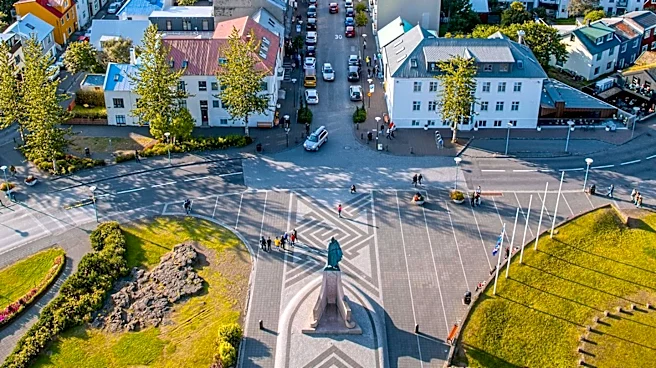
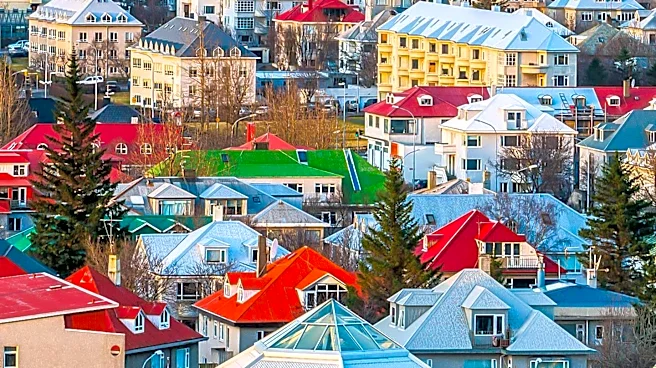
Reykjavik, Iceland, is highlighted as a vibrant destination with diverse attractions suitable for various seasons, though summer is noted as the peak period due to extended daylight and numerous outdoor activities. During summer, visitors experience nearly
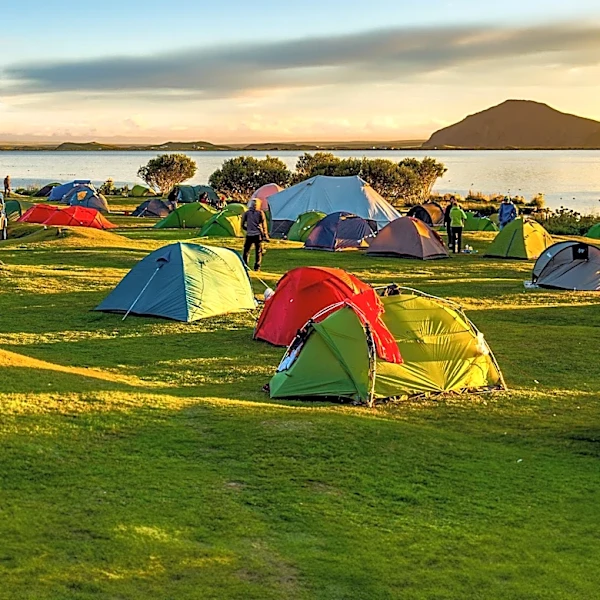
24-hour daylight, which facilitates exploring the city's cultural events, historical landmarks, and natural beauty. Key summer activities include attending festivals like Reykjavik Pride and the Reykjavik Marathon, visiting the geothermal energy plant, and participating in whale-watching tours from the Old Harbour to spot whales, dolphins, and puffins. Geothermal experiences at Sky Lagoon or Hvammsvík are also popular. Temperatures in summer typically range from 7–14°C (45-57°F) in June and 9–15°C (48-59°F) in July and August, making it mild but not hot. For travel to and from Keflavik International Airport (KEF), the Flybus service offers a convenient and reliable transfer option, running 15 times a day and connecting the airport to Reykjavik's BSÍ bus terminal and various hotels. The Flybus is also carbon neutral, providing an eco-friendly travel choice.
Why It's Important?
The detailed information about Reykjavik's attractions and travel logistics is important for the U.S. tourism industry and potential American travelers. For the tourism sector, understanding peak seasons and popular activities in international destinations like Reykjavik can inform marketing strategies and travel package development aimed at U.S. consumers. The emphasis on summer's extended daylight and outdoor activities, such as whale watching and geothermal experiences, caters to a growing demand for experiential travel among Americans. The availability of reliable and eco-friendly transportation like the Flybus from KEF airport simplifies travel planning, potentially increasing the attractiveness of Reykjavik as a destination for U.S. tourists. This ease of access and diverse offerings can boost tourism revenue for both Iceland and U.S. travel agencies specializing in international trips, contributing to economic growth in the travel sector. Furthermore, the mention of cultural events and natural wonders aligns with broader trends in sustainable and culturally immersive tourism, influencing how U.S. travel companies curate their offerings.
What's Next?
Looking ahead, Reykjavik is expected to continue leveraging its unique seasonal offerings to attract tourists. The city will likely maintain its schedule of summer festivals and outdoor activities, potentially expanding them to accommodate growing visitor numbers. Efforts to promote year-round tourism might also increase, highlighting attractions suitable for other seasons, such as the Northern Lights in winter. The Flybus service will continue to be a crucial link for airport transfers, and its carbon-neutral status may become a more prominent selling point as environmental consciousness among travelers rises. Local businesses, including tour operators, hotels, and restaurants, will likely adapt their services to cater to the influx of tourists, particularly during the busy summer months. This could involve expanding capacity, diversifying offerings, and enhancing digital presence to reach international audiences, including those in the U.S. Additionally, ongoing infrastructure developments and improvements in tourist facilities are probable to support the sustained growth in visitor arrivals.
Beyond the Headlines
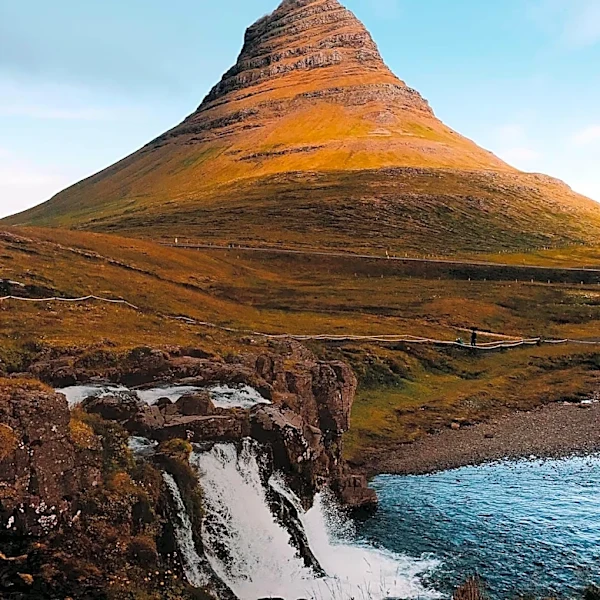
Beyond the immediate travel implications, Reykjavik's appeal as a tourist destination reflects broader shifts in global travel preferences. The desire for unique natural experiences, cultural immersion, and sustainable travel options is increasingly influencing how Americans choose their destinations. Reykjavik, with its geothermal landscapes, vibrant cultural scene, and commitment to eco-friendly transport, aligns well with these evolving values. The city's ability to offer nearly 24-hour daylight in summer provides a distinct experience that contrasts with typical U.S. travel destinations, potentially inspiring new trends in adventure and nature tourism. Furthermore, the focus on local festivals and traditions highlights a growing interest in authentic cultural encounters rather than generic tourist traps. This trend could encourage U.S. travel companies to curate more bespoke and culturally rich itineraries, fostering a deeper appreciation for international cultures and environmental stewardship among American travelers. The success of Reykjavik in attracting tourists could serve as a model for other destinations seeking to balance tourism growth with cultural preservation and environmental responsibility.