
What's Happening?
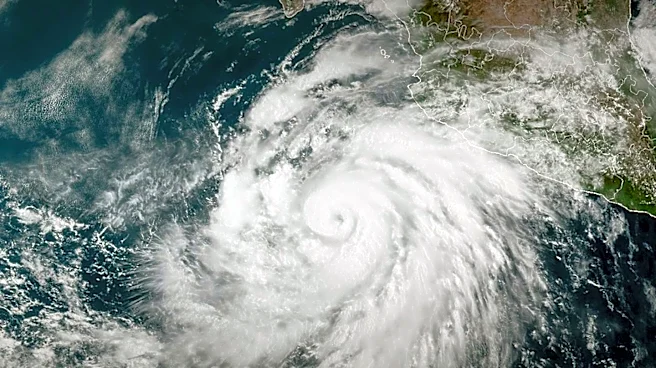
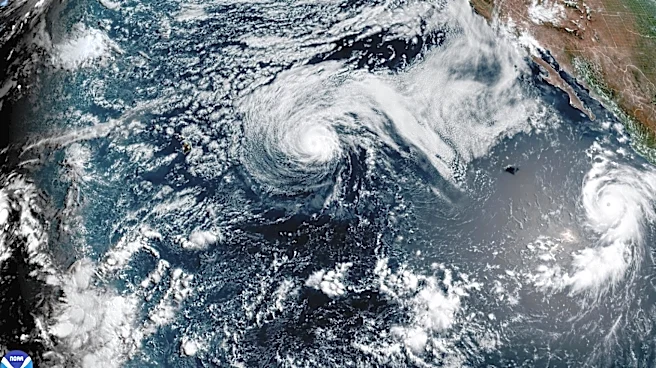
Hurricane Genevieve, a major hurricane in the eastern Pacific, is generating large swells that are expected to impact the California coastline. The storm, which briefly reached Category 5 strength, is currently a high-end Category 3 hurricane. Although
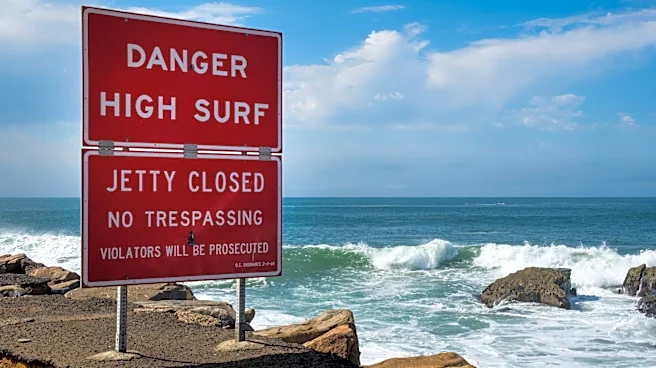
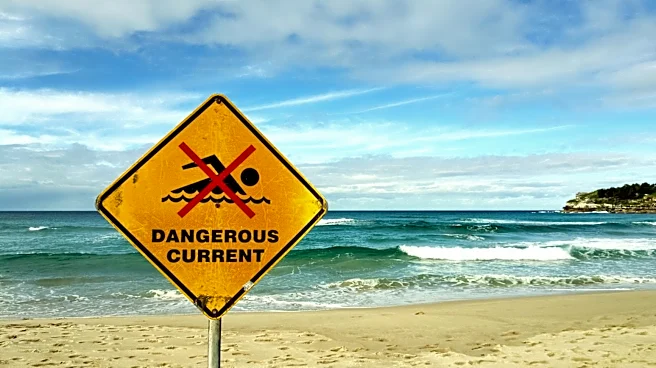
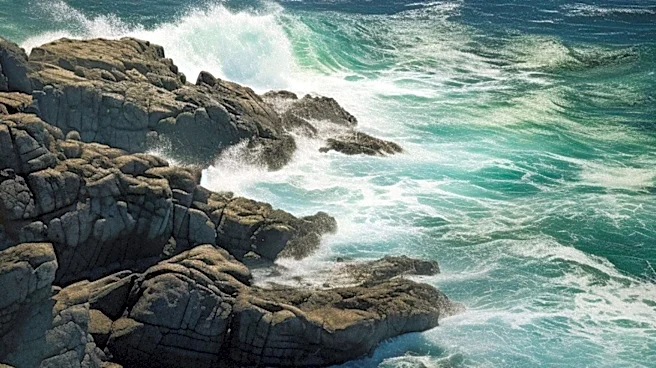
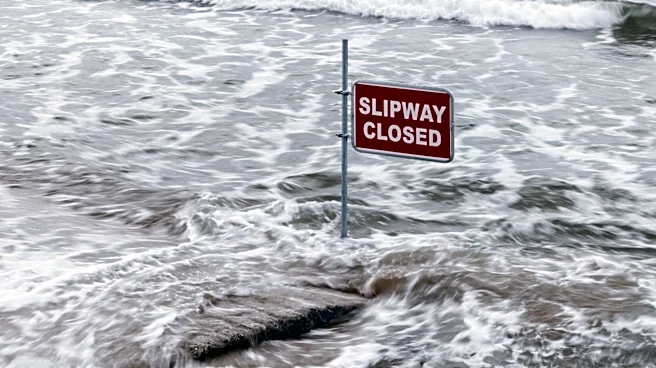
it poses no direct threat to land, the National Hurricane Center has warned of potentially life-threatening surf and rip current conditions along the West Coast. The hurricane's powerful wind field is creating long-period swells that are affecting parts of Mexico and the Baja California Peninsula. These conditions are expected to continue throughout the week, with the largest waves forecasted around Thursday and into the weekend. The National Weather Service has issued advisories for portions of the Southern California coast, citing risks of dangerous swimming conditions and coastal flooding.
Why It's Important?
The swells generated by Hurricane Genevieve highlight the indirect impacts of Pacific hurricanes on the U.S. West Coast. While the storm itself remains offshore, the resulting surf and rip currents pose significant risks to beachgoers and small craft operators. These conditions can lead to dangerous situations, even for experienced swimmers, and may result in coastal flooding. The situation underscores the broader implications of Pacific hurricane activity, which can be intensified by climate patterns such as El Niño. As these patterns become more pronounced, the frequency and intensity of such storms may increase, posing ongoing challenges for coastal management and public safety.
What's Next?
Forecasters anticipate that Hurricane Genevieve will continue to weaken as it moves over cooler ocean temperatures. However, Californians are advised to monitor local beach forecasts and exercise caution when near the water. The National Weather Service will continue to provide updates and advisories as conditions evolve. Additionally, the National Hurricane Center is tracking other tropical systems, such as Tropical Storm Fausto, which could also influence weather patterns in the region.