




What's Happening?
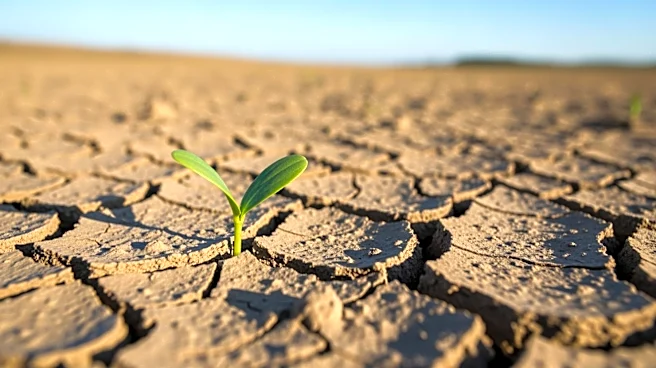
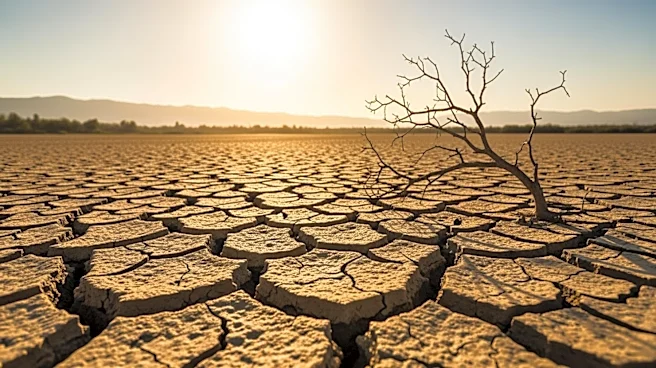
Governor Jared Polis of Colorado has declared a statewide emergency due to ongoing drought conditions exacerbated by low snowpack levels. The declaration comes as the state faces prolonged dry conditions, which have raised concerns about water supply
and agricultural impacts. The emergency status allows for the mobilization of state resources to address the drought's effects and implement measures to mitigate its impact on communities and industries reliant on water resources.
Why It's Important?
The declaration of a drought emergency in Colorado highlights the growing challenges posed by climate change and its impact on water resources. This situation could have significant economic implications for agriculture, tourism, and other sectors dependent on water. It also underscores the need for sustainable water management practices and policies to address the increasing frequency and severity of droughts. The emergency status may prompt state and local governments to accelerate efforts in water conservation and infrastructure improvements to better manage future drought conditions.
What's Next?
In response to the emergency declaration, state agencies are expected to coordinate efforts to provide relief and support to affected communities. This may include measures to conserve water, support for farmers and ranchers, and initiatives to enhance water storage and distribution systems. The situation may also prompt discussions on long-term strategies to address water scarcity and climate resilience in Colorado and other drought-prone regions.