






What's Happening?
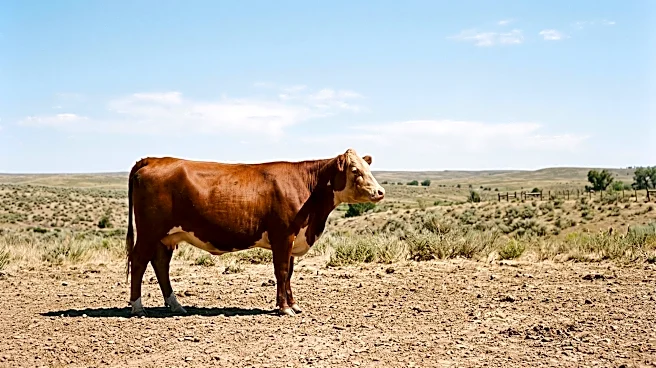
The World Organisation for Animal Health (WOAH) is urging global leaders at COP31 to recognize animal health and Veterinary Services as essential components of climate action. WOAH emphasizes that climate change significantly impacts animal health through
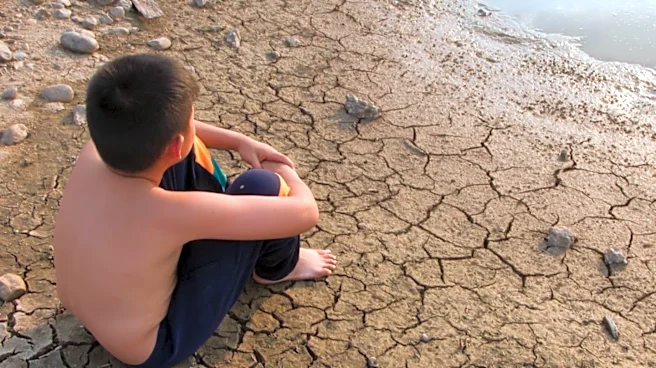
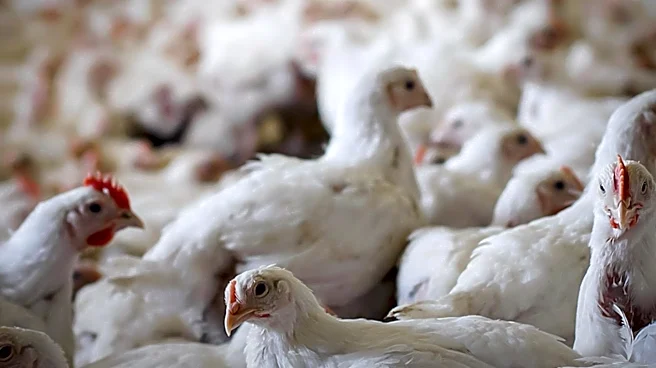
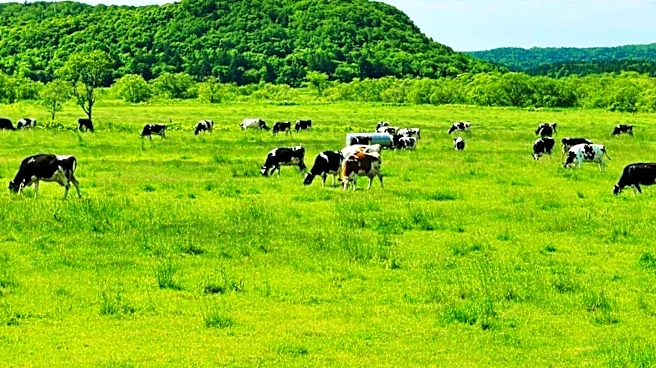
heat stress, droughts, floods, wildfires, and altered disease transmission patterns. These impacts disproportionately affect smallholder farmers and pastoralists, leading to losses in food sources, income, and financial security. WOAH argues that protecting animal health can contribute to both climate adaptation and mitigation, while simultaneously strengthening food security and livelihoods. Healthy animals are more productive, use resources more efficiently, and are better equipped to withstand climate-related shocks, thereby reducing greenhouse gas emissions per unit of food produced.
Why It's Important?
Integrating animal health into climate policies is crucial for global food security and sustainable development, with significant implications for the U.S. As a major agricultural producer and consumer, the U.S. relies on healthy livestock for its food supply and economic stability. Climate-induced animal diseases or productivity losses abroad can disrupt global food markets, affecting U.S. imports and exports, and potentially leading to higher food prices. Furthermore, the U.S. has a vested interest in global stability, which can be undermined by food insecurity and economic hardship in vulnerable regions. Investing in animal health globally can prevent the spread of zoonotic diseases, which pose a direct threat to human health and can have severe economic consequences, as demonstrated by past pandemics.
What's Next?
WOAH calls on governments and partners to better integrate animal health into national climate strategies, including Nationally Determined Contributions (NDCs), National Adaptation Plans (NAPs), and biodiversity frameworks. This involves recognizing Veterinary Services as essential infrastructure for climate adaptation, strengthening animal health surveillance and data systems, and prioritizing animal health interventions in climate investment. The organization also advocates for better evidence to demonstrate how investments in animal health contribute to adaptation, resilience, and emissions reduction. Future actions will likely involve increased collaboration across veterinary, public health, environmental, and other relevant sectors through a 'One Health' approach to address climate-related threats comprehensively.
Beyond the Headlines
The WOAH's call highlights a critical, often overlooked, nexus between animal health, climate change, and human well-being. Beyond the immediate economic and food security concerns, the health of animal populations is intrinsically linked to ecosystem health and biodiversity. The 'One Health' approach advocated by WOAH underscores the interconnectedness of human, animal, and environmental health, suggesting that solutions to complex global challenges require interdisciplinary collaboration. This perspective challenges traditional silos in policy-making and encourages a more holistic understanding of sustainability. The long-term implications include a potential paradigm shift in how climate change is addressed, moving beyond solely focusing on energy and industrial emissions to include comprehensive strategies that integrate agricultural and animal health sectors as key components of a resilient global system.