




What's Happening?
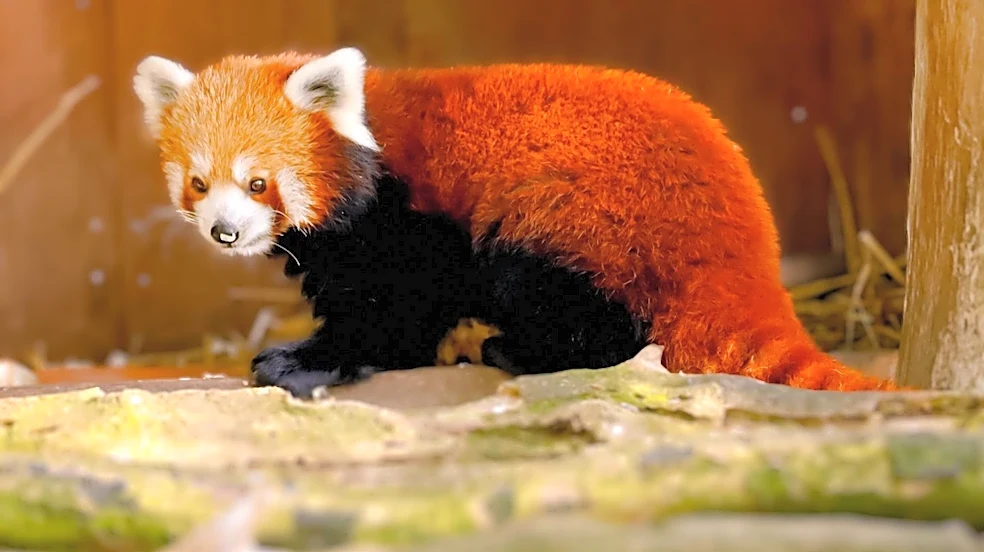
The Smithsonian Zoo has officially named its new female red panda cub 'Dolly' after a nationwide public poll. The cub, born in June to red pandas Keahi and Rocket at the zoo's conservation campus in Front Royal, Virginia, was noted for her 'bold and feisty
behavior.' Earlier this month, the zoo presented three potential names for the cub: Dolly, inspired by country music legend Dolly Parton; Pyra, meaning 'heat' in Greek; and Dolpa, a region in Nepal where wild red pandas reside. The public cast over 20,000 votes, with 'Dolly' receiving 65% of the total. The announcement was made on October 20, confirming the cub's new name and celebrating the public's participation in the naming process.
Why It's Important?
The public naming contest for the Smithsonian Zoo's red panda cub serves as a significant engagement tool, fostering public interest in wildlife conservation and the zoo's efforts. By involving the public in such decisions, zoos can build stronger connections with communities, raising awareness about endangered species like the red panda. This initiative also highlights the role of zoos in conservation, as the cub's birth contributes to the genetic diversity of red pandas in captivity, which is crucial for the species' long-term survival. The overwhelming participation, with over 20,000 votes, demonstrates a broad public enthusiasm for wildlife and conservation efforts, reinforcing the importance of these institutions in education and advocacy. The chosen name, 'Dolly,' also creates a cultural link, potentially attracting a wider audience to learn about red pandas.
What's Next?
Following the naming, the Smithsonian Zoo will likely continue to share updates on Dolly's growth and development, further engaging the public through social media and educational programs. This increased visibility can lead to greater support for red panda conservation initiatives, both within the zoo and in the wild. The zoo may also use Dolly's story to educate visitors about the threats red pandas face, such as habitat loss and poaching, and how individuals can contribute to conservation efforts. Future events or campaigns might be organized around Dolly to maintain public interest and encourage donations or participation in conservation programs. The success of this nationwide vote could also encourage other zoos to adopt similar public engagement strategies for their new animal residents.
Beyond the Headlines
The naming of the red panda cub 'Dolly' transcends a simple public relations event; it underscores the evolving role of zoos as centers for public engagement and conservation advocacy. In an era where digital interaction is paramount, involving the public in such a personal way helps to humanize conservation efforts and make them more relatable. The choice of 'Dolly' also subtly connects wildlife with popular culture, potentially drawing in demographics that might not typically engage with conservation topics. This approach can be crucial for garnering broader support for endangered species, as it transforms abstract conservation goals into tangible, endearing stories. Ultimately, such initiatives contribute to a larger cultural shift towards greater environmental awareness and responsibility, demonstrating how zoos can leverage public sentiment to drive meaningful conservation outcomes.