






What's Happening?
The Bay Area Air District has launched a new regional clean-air program offering grants to homeowners for replacing wood-burning stoves and fireplaces with electric heat pumps. Homeowners in the Bay Area can apply for grants ranging from $1,500 to $15,000,
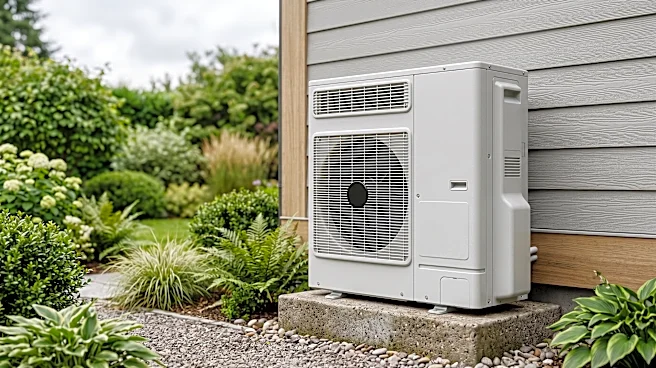
depending on the existing equipment and the type of project. An additional $10,000 is available for eligible low-income households. The program also provides an option for homeowners to remove open-hearth fireplaces or uncertified wood-burning devices without replacement. The initiative aims to reduce pollution from wood smoke, which contains fine particulate matter (PM2.5) harmful to health. Philip Fine, executive officer of the Air District, stated that the Clean HEET Program provides a pathway for homeowners to retire wood-burning equipment, cut harmful emissions, and improve air quality. Electric heat pumps offer both heating and cooling capabilities, utilizing electricity to move heat rather than generate it. Funding for the program comes from the U.S. Environmental Protection Agency’s Targeted Airshed Grant Program, supplemented by matching funds from the Air District. Applications are accepted on a first-come, first-served basis, with a deadline of March 10 of next year at 5 p.m. Homeowners who have already completed replacement work are not eligible for reimbursement.
Why It's Important?
This grant program is significant for public health and environmental quality in the Bay Area. Wood smoke is a major source of fine particulate matter, which can penetrate deep into the lungs and bloodstream, contributing to respiratory and cardiovascular diseases. By incentivizing the transition to electric heat pumps, the Air District aims to directly mitigate this health risk for residents. The program also supports broader environmental goals by reducing localized air pollution and promoting cleaner energy alternatives. For homeowners, the grants offer a financial incentive to upgrade their heating systems, potentially leading to lower energy bills in the long run due to the efficiency of heat pumps, which use electricity more efficiently than traditional heating methods. This initiative could also stimulate the market for electric heat pump installations, benefiting local businesses in the HVAC sector. The focus on low-income households ensures that the benefits of cleaner air and more efficient heating are accessible across socioeconomic strata, addressing environmental justice concerns.
What's Next?
Bay Area homeowners interested in participating must submit their applications by March 10 of next year. Given that funding is available on a first-come, first-served basis, early application is advisable. The Air District will process applications and distribute funds to eligible homeowners, facilitating the replacement of wood-burning appliances. The success of this program could lead to similar initiatives in other regions facing air quality challenges from wood smoke. The transition to electric heat pumps is part of a broader trend towards electrification and decarbonization in the residential sector, aligning with state and federal environmental goals. The program's impact will likely be monitored through air quality measurements to assess the reduction in PM2.5 levels. Future steps might include expanding the program if demand is high and funding allows, or introducing additional incentives for other home energy efficiency upgrades.
Beyond the Headlines
This program reflects a growing policy trend to address indoor and outdoor air pollution from residential sources, moving beyond industrial regulations. The emphasis on electric heat pumps also highlights a strategic shift towards electrification as a key component of climate change mitigation and public health improvement. By encouraging the adoption of electric heat pumps, the program not only reduces direct emissions from wood burning but also supports the broader transition away from fossil fuels, especially if the electricity is sourced from renewable energy. This initiative could also influence consumer behavior and market demand, accelerating the adoption of electric heating and cooling technologies. Furthermore, it underscores the role of local air quality management districts in implementing federal environmental policies and tailoring them to regional needs, demonstrating a multi-level governance approach to environmental protection. The program also touches upon energy independence and resilience, as diversified energy sources reduce reliance on single fuel types.