
What's Happening?
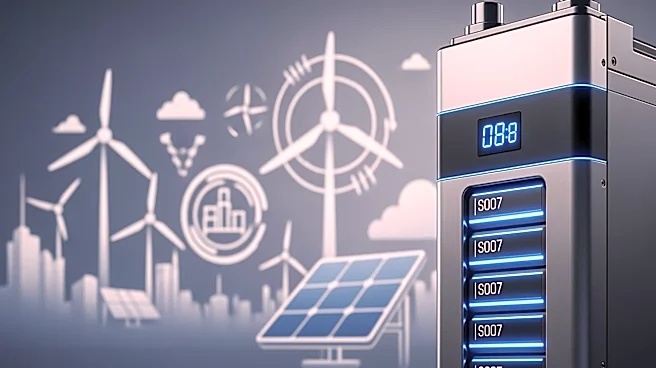
The United States is witnessing a rapid transformation in its energy generation, storage, and consumption patterns. With solar and wind energy leading the new electricity-generating capacity, there is a growing
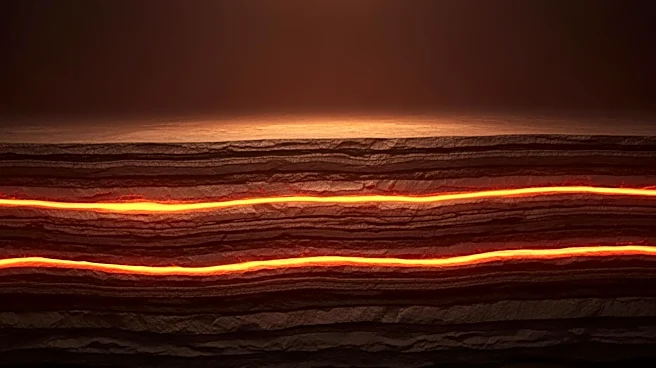
demand for long-duration energy storage (LDES) solutions. Geological Thermal Energy Storage (GeoTES) is emerging as a promising technology to meet this demand. GeoTES involves storing thermal energy in underground reservoirs, which can be accessed through wells to add or remove energy. This method is economically feasible and scalable, leveraging existing geothermal and oil and gas industry technologies. GeoTES can store energy for daily and seasonal needs, providing a reliable and cost-effective solution to manage energy supply and demand imbalances.
Why It's Important?
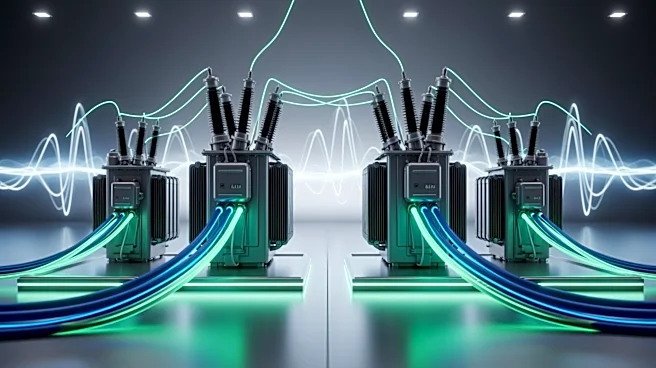
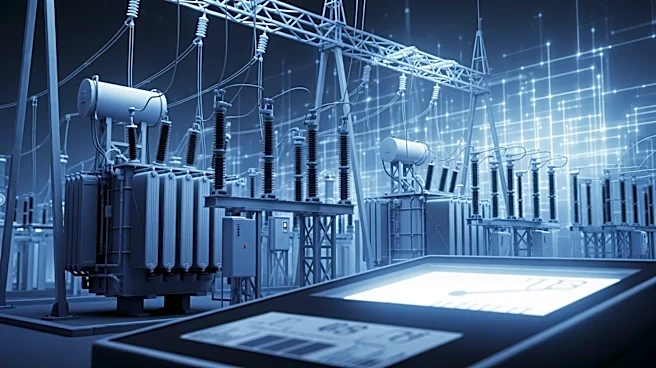
GeoTES represents a significant opportunity for enhancing the resilience and reliability of the U.S. energy grid. As the demand for electricity increases, particularly in sectors like manufacturing and data centers, the ability to store and manage energy efficiently becomes crucial. GeoTES offers a low-cost solution for long-duration energy storage, which is essential for reducing reliance on peaking plants and minimizing exposure to natural gas price fluctuations. By utilizing existing subsurface formations, GeoTES can provide substantial energy storage capacity, potentially transforming the U.S. energy landscape and supporting the transition to renewable energy sources.
What's Next?
The development and deployment of GeoTES systems will require detailed site-specific assessments to determine suitable locations and storage capacities. As the technology gains traction, further research and investment will be needed to optimize its implementation and integration into the national grid. Stakeholders, including energy companies and policymakers, will need to collaborate to address regulatory and technical challenges, ensuring that GeoTES can be effectively utilized to meet future energy demands.
Beyond the Headlines
GeoTES not only offers a solution for energy storage but also presents an opportunity to repurpose depleted oil and gas fields, contributing to environmental sustainability. By reducing the need for new infrastructure and utilizing existing resources, GeoTES can minimize the environmental impact of energy storage solutions. Additionally, the technology's ability to provide thermal energy for industrial applications could lead to significant cost savings and efficiency improvements in various sectors.