







What's Happening?
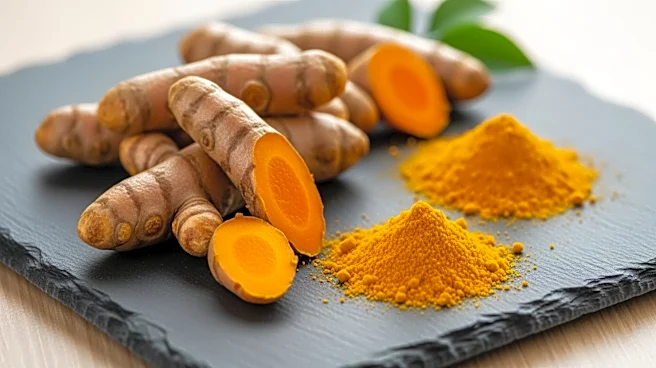
Recent studies have raised concerns about the safety of turmeric and curcumin supplements, particularly in the United States. While turmeric is commonly used in cooking and is considered safe in small amounts, supplements containing concentrated curcumin have been
linked to liver problems. According to the U.S. National Institute of Diabetes and Digestive and Kidney Diseases, turmeric has become a leading cause of herbal-related liver injury in the country. This is primarily attributed to highly bioavailable forms of curcumin found in enhanced formulations. These supplements are digested differently than turmeric used in food, leading to potential liver damage. Symptoms of liver injury include jaundice, dark urine, and nausea, which typically resolve after discontinuing the supplement. However, there have been cases of severe liver failure resulting in death. Additionally, some turmeric products have been found to be adulterated with harmful substances, such as lead chromate, which was added to enhance color.
Why It's Important?
The findings highlight significant health risks associated with the consumption of turmeric and curcumin supplements, which are often marketed for their purported health benefits, including anti-inflammatory and anti-cancer properties. The popularity of these supplements has surged, partly due to research suggesting their potential health benefits. However, the safety concerns underscore the need for consumers to be cautious and for regulatory bodies to ensure the safety and authenticity of these products. The potential for liver damage poses a serious public health concern, especially as these supplements are widely available and often perceived as safe due to their natural origin. The issue also raises questions about the regulation and quality control of dietary supplements in the U.S., emphasizing the need for stricter oversight to prevent adulteration and ensure consumer safety.
What's Next?
In response to these findings, there may be increased scrutiny and regulation of dietary supplements, particularly those containing concentrated curcumin. Health authorities might issue warnings or guidelines to inform the public about the potential risks. Manufacturers could face pressure to improve quality control and transparency regarding the contents and safety of their products. Consumers are likely to become more cautious, potentially leading to a decline in the popularity of these supplements. Further research may be conducted to better understand the mechanisms of liver injury associated with curcumin and to develop safer formulations. Additionally, there could be a push for more rigorous clinical trials to substantiate the health claims made by supplement manufacturers.
Beyond the Headlines
The situation with turmeric and curcumin supplements reflects broader issues in the dietary supplement industry, including the challenge of balancing traditional uses of natural products with modern health claims. The case also highlights the complexities of translating traditional medicine into modern therapeutic contexts, where scientific validation and safety are paramount. The potential for adulteration with harmful substances like lead chromate points to the need for better international cooperation in regulating and monitoring the safety of imported supplements. This development may also influence consumer perceptions of natural health products, prompting a shift towards more evidence-based approaches in choosing supplements.