



What's Happening?
The Environmental Protection Agency (EPA) under the Trump administration has relaxed restrictions on mercury and other toxic emissions from coal-fired power plants. This move is part of a broader effort to support the fossil fuel industry by rolling back
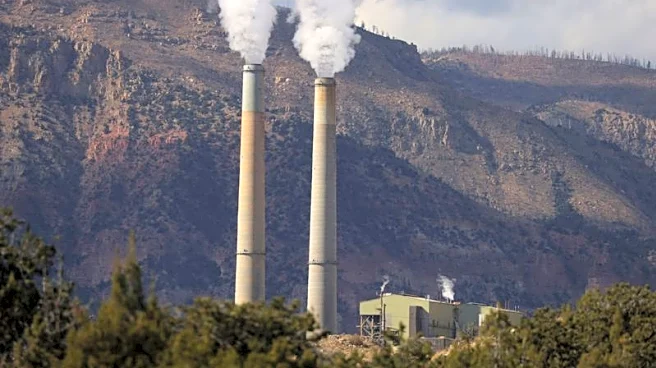
clean air and water regulations. The EPA announced the repeal of the tightened Mercury and Air Toxics Standards (MATS) rule at a coal plant in Louisville, Kentucky. The original MATS standards, established in 2012, had significantly reduced mercury emissions. The Trump administration's decision is expected to save the industry hundreds of millions of dollars, but it has faced criticism from environmental groups who argue that the previous standards have saved lives and improved public health.
Why It's Important?
The relaxation of mercury emission standards is significant as it highlights the ongoing tension between environmental protection and economic interests in the U.S. The coal industry argues that stringent regulations make operations financially unviable, while environmentalists emphasize the health risks associated with toxic emissions. This decision could lead to increased mercury pollution, affecting communities near coal plants and contributing to broader environmental and health issues. The move also reflects the Trump administration's broader deregulatory agenda, which has implications for the U.S.'s ability to meet climate change goals and protect public health.
What's Next?
The decision may lead to legal challenges from environmental groups and states that support stricter emissions standards. The Biden administration, which has prioritized climate change and environmental protection, may seek to reinstate or strengthen these regulations. The coal industry will likely continue to advocate for regulatory relief to maintain economic viability. The broader implications for U.S. energy policy and international climate commitments remain to be seen.