









What's Happening?
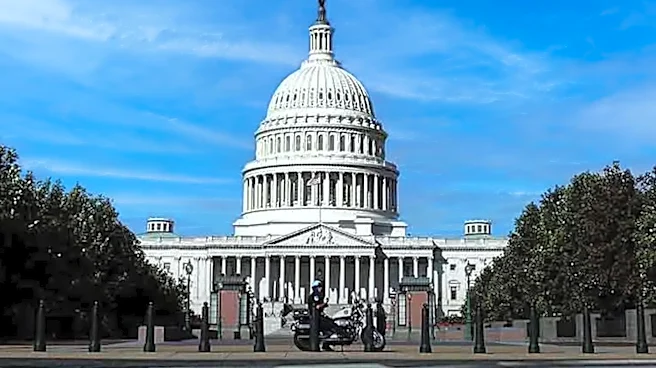
U.S. Representatives Greg Steube and Dave Taylor have introduced the Guarding Hours-of-Service Oversight and Stopping Tampering by Remote Unofficial Carrier Keeper (GHOSTRUCK) Act. This legislation aims to address concerns regarding the alteration of electronic
logging device (ELD) records by foreign-based personnel. The GHOSTRUCK Act mandates that any edits or annotations to ELD records must be made by a carrier, dispatcher, or driver physically located in North America. The current requirement that all edits remain subject to driver approval will be maintained. The bill seeks to close a loophole that allows overseas dispatchers to alter driver logs, potentially compromising safety and accountability. The legislation has garnered support from several industry groups, including the American Trucking Associations and the Owner-Operator Independent Drivers Association.
Why It's Important?
The introduction of the GHOSTRUCK Act is significant as it addresses a critical safety and compliance issue within the U.S. trucking industry. By ensuring that ELD records are only edited by personnel within North America, the legislation aims to enhance the integrity of hours-of-service (HOS) records, which are crucial for monitoring driver fatigue and ensuring road safety. The act seeks to prevent foreign-based personnel from manipulating these records, which could lead to overworked drivers and increased risk of accidents. The support from major trucking associations underscores the industry's recognition of the need for stricter oversight to protect both drivers and the public.
What's Next?
If passed, the GHOSTRUCK Act will require compliance from all carriers using ELDs, potentially leading to changes in how companies manage their dispatch operations. The legislation may prompt increased scrutiny and enforcement by the Federal Motor Carrier Safety Administration (FMCSA) to ensure adherence to the new requirements. Industry stakeholders, including trucking companies and associations, are likely to monitor the bill's progress closely, advocating for its passage to enhance safety standards. The act could also lead to further legislative efforts aimed at strengthening other aspects of trucking safety and compliance.