



What's Happening?
A recent study conducted by the University of Hawai'i at Mānoa highlights the increasing risk of sewage-contaminated flooding in Waikīkī as sea levels continue to rise. According to Kayla Yamamoto, a climate modeling analyst and co-author of the study,
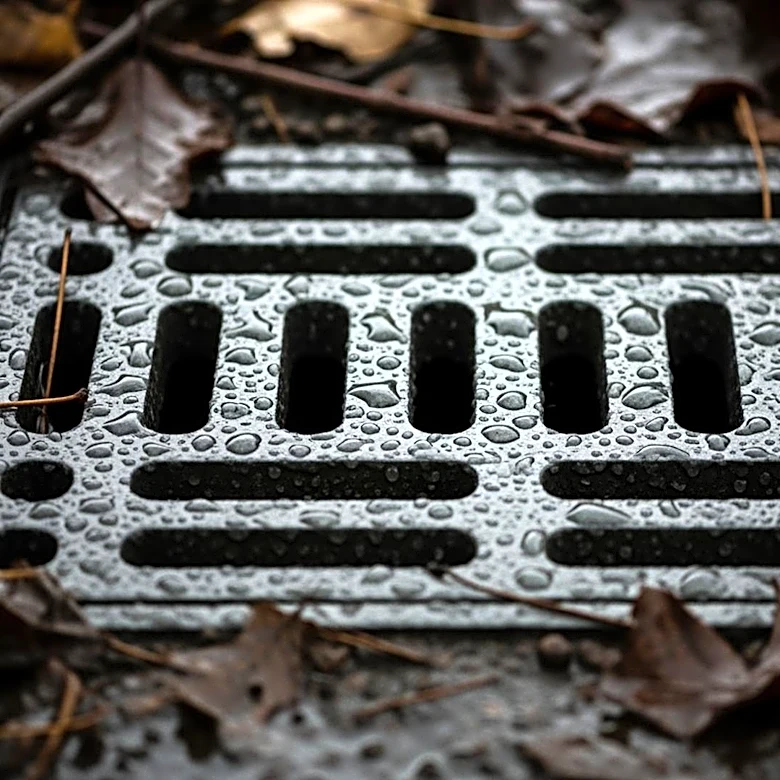
the drainage infrastructure in Waikīkī is already failing. The research indicates that rising sea levels will cause storm drains to become conduits for contaminated water from the Ala Wai Canal, leading to backwash into low-lying streets and sidewalks. The study utilized a flood model that considers various sources of flooding, including rain, tides, underground water behavior, and storm drains, to map out the most significant flooding hazards. The findings suggest that tidal movements are becoming a more prominent flood threat in Waikīkī, shifting from being primarily rain-driven. The study warns that contaminated flooding will become more frequent and extensive, eventually occurring daily rather than being storm-driven.
Why It's Important?
The study's findings underscore a critical environmental and public health issue for Waikīkī, a major tourist destination and economic hub in Hawai'i. The potential for daily sewage-contaminated flooding poses significant risks to public health, local businesses, and the tourism industry, which is a vital part of the state's economy. The lack of effective management strategies to address this issue highlights the urgent need for comprehensive flood management planning that integrates water-quality concerns and infrastructure improvements. As sea levels continue to rise, the situation could lead to increased costs for flood mitigation and infrastructure repairs, impacting local government budgets and potentially leading to higher taxes or fees for residents and businesses. The study emphasizes the need for proactive measures to prevent long-term economic and environmental damage.
What's Next?
The study calls for immediate action to develop and implement effective management strategies to address the risk of sewage-contaminated flooding in Waikīkī. This includes integrating water-quality issues into flood management planning and improving drainage infrastructure to handle rising sea levels and tidal movements. Local government and environmental agencies may need to collaborate on developing comprehensive plans that include infrastructure upgrades, public awareness campaigns, and policy changes to mitigate the impact of rising sea levels. Stakeholders, including local businesses, residents, and environmental groups, are likely to play a crucial role in advocating for and supporting these initiatives. The study's findings could also prompt further research into similar risks in other coastal areas, potentially influencing broader policy changes at the state and national levels.