





What's Happening?
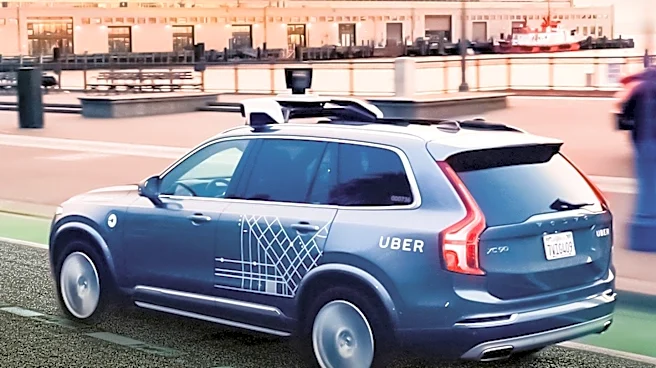
Uber has rolled out new family-focused features designed to improve safety and convenience for parents and their teenage children. A key addition is the family profile, which enables parents to manage, pay for, and track their teenagers' rides. This profile integrates
several safety measures, including Audio Recording during trips and direct communication channels with highly-rated drivers who are eligible to transport minors. Furthermore, Uber has expanded its Uber Car Seat service, now available in New York and Los Angeles. This service allows users to specifically request rides equipped with a Nuna RAVA car seat, suitable for children weighing between 5 and 65 pounds. These new offerings aim to provide parents with greater peace of mind and control over their children's transportation needs, addressing common concerns related to rideshare safety and reliability for younger passengers.
Why It's Important?
These new features from Uber are significant for several reasons, primarily impacting family safety, parental control, and the rideshare market's evolution. By offering a dedicated family profile with tracking and communication tools, Uber is directly responding to a critical need for enhanced security when minors use rideshare services. This move could increase trust among parents, potentially expanding Uber's user base to include families who were previously hesitant about rideshare options for their children. The inclusion of car seat-equipped rides in major cities like New York and Los Angeles also addresses a long-standing gap in accessible, safe transportation for young children, making rideshare a more viable option for families with infants and toddlers. This strategic enhancement positions Uber as a more family-friendly service, potentially drawing market share from traditional taxi services or personal vehicle use for family travel. It also sets a new standard for safety features in the rideshare industry, which competitors may feel compelled to match.
What's Next?
The introduction of these family-centric features is likely to be followed by a period of user feedback collection and potential expansion. Uber will likely monitor the adoption rates of the family profile and the Uber Car Seat service in New York and Los Angeles. Depending on the success and demand, the Uber Car Seat service could be rolled out to more cities across the U.S., further broadening its accessibility. The company may also explore additional safety features or customization options within the family profile based on user suggestions. Competitors in the rideshare market will be closely observing Uber's initiative, and there's a strong possibility that other rideshare companies will develop similar features to remain competitive in the family transportation segment. This could lead to an industry-wide improvement in safety and convenience for families using rideshare services.
Beyond the Headlines
Beyond the immediate benefits of enhanced safety and convenience, Uber's new family features could have broader societal implications. The increased accessibility of rideshare services for families, particularly those with young children, could alleviate transportation challenges for parents, especially in urban areas where car ownership might be less common or practical. This could empower more parents to utilize rideshare for daily commutes, appointments, or leisure activities, potentially impacting urban mobility patterns. The emphasis on safety features like Audio Recording also raises questions about privacy and data usage, which will likely be subject to ongoing public and regulatory scrutiny. As rideshare services become more integrated into family life, the ethical considerations surrounding data collection, driver vetting, and the balance between safety and privacy will become increasingly prominent, shaping future policy discussions and technological developments in the sector.