

What's Happening?
A recent poll conducted by the Tzohar Rabbinical Organization reveals that 49.6% of Israelis support the nationwide closure of entertainment venues on Tisha B'Av, a day commemorating the destruction of the Temple in Jerusalem. The poll, which surveyed
508 individuals, found that opinions on the matter vary significantly across different demographics and levels of religious observance. While a majority of ultra-Orthodox and national-religious Jews favor national closures, secular Jews are more divided, with many supporting local authority decisions or opposing any enforced closures. The poll highlights ongoing debates about the role of religious observance in public life in Israel.
Why It's Important?
The poll results underscore the complex interplay between religion and public policy in Israel. Tisha B'Av, while a significant day in the Jewish calendar, is not currently subject to the same national closure laws as other days of remembrance. The debate over whether to enforce closures reflects broader tensions between religious and secular communities in Israel. Decisions on this issue could impact social cohesion and the balance of religious influence in Israeli public life. The outcome may also affect how Israel navigates its identity as both a Jewish and democratic state, with implications for future policy decisions on religious observance.
What's Next?
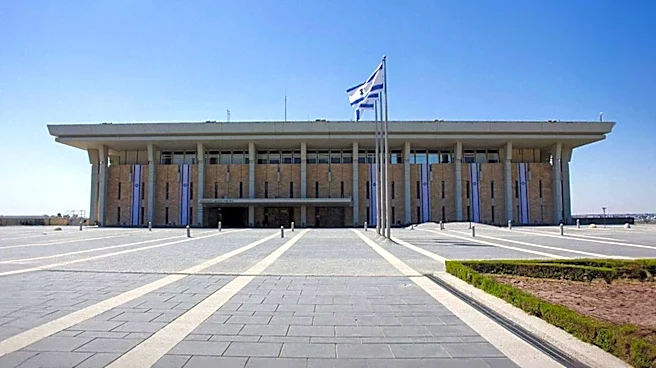
The findings of the poll may prompt further discussions among Israeli lawmakers and religious leaders about the potential for new legislation regarding Tisha B'Av closures. Any move towards national enforcement would likely require significant political negotiation, given the diverse opinions among the Israeli public. The Tzohar Rabbinical Organization, which conducted the poll, may continue to advocate for policies that reflect the views of religious communities. Meanwhile, secular groups may push back against perceived religious coercion, advocating for local autonomy in such decisions. The debate is likely to continue as Israel grapples with its religious and cultural identity.