


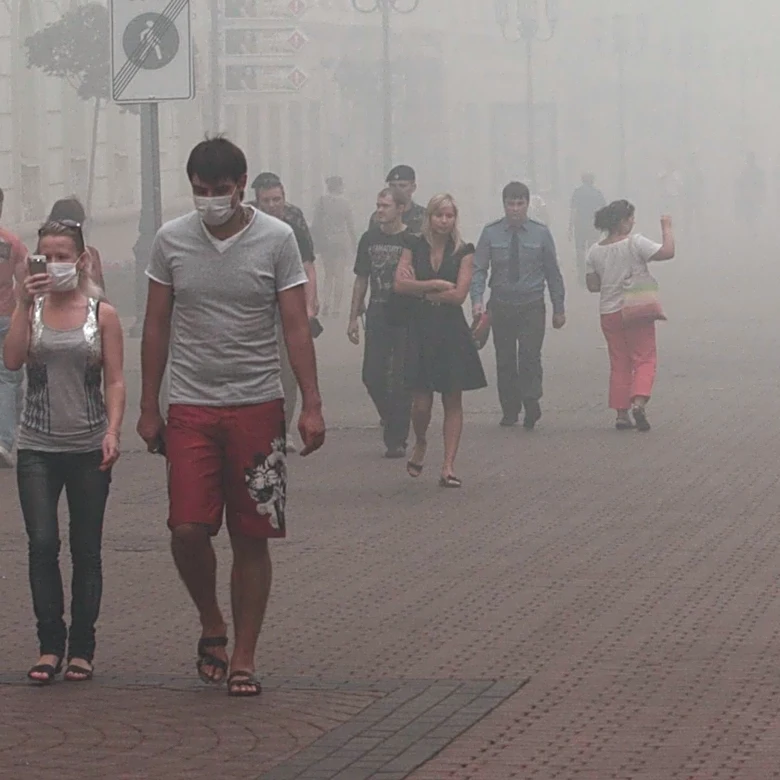







What's Happening?
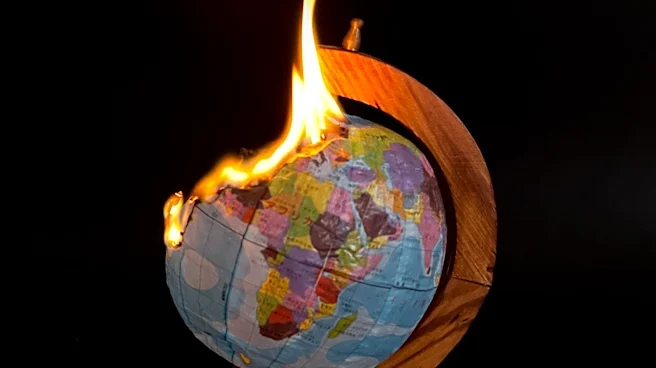
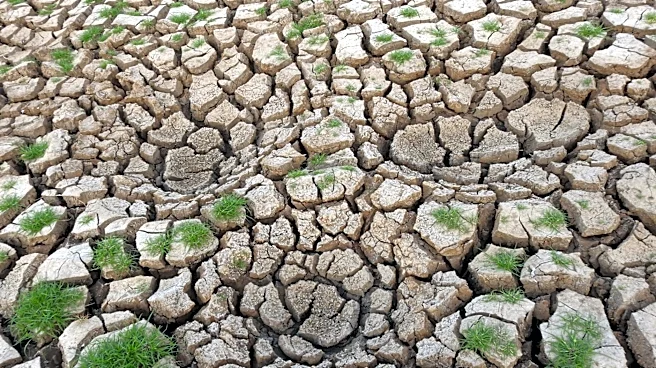
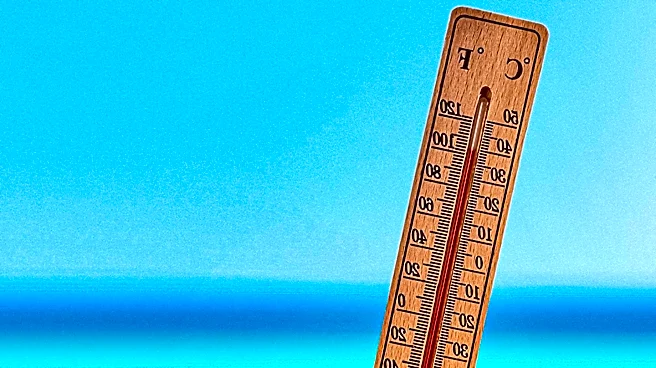
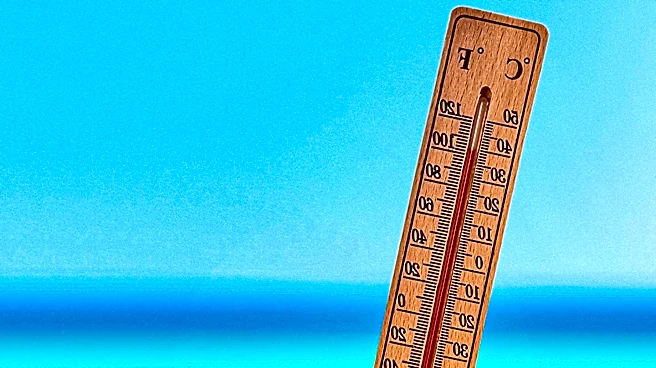
Recent data highlights the increasing danger of heatwaves, which are becoming more frequent, longer, and intense due to global warming. A series of heatwaves in Europe have set new temperature records, with significant mortality rates reported, particularly
in Mediterranean countries. The study notes that heatwaves are now lasting longer and occurring more frequently, with nighttime temperatures rising at double the rate of global warming. This trend poses severe health risks, especially for older populations and those with chronic illnesses.
Why It's Important?
The intensification of heatwaves has profound implications for public health and safety. As temperatures rise, the risk of heat-related illnesses and deaths increases, particularly among vulnerable populations. The economic impact is also significant, as heatwaves can disrupt agriculture, energy supply, and infrastructure. The findings underscore the urgent need for climate adaptation strategies, including urban planning that incorporates green spaces to mitigate heat island effects. This situation calls for coordinated global efforts to address climate change and its impacts on human health.
What's Next?
In response to the growing threat of heatwaves, governments and local authorities may need to implement more robust heat action plans, including early warning systems and public health campaigns. Urban areas might increase efforts to plant trees and create green spaces to reduce heat island effects. International cooperation on climate change mitigation and adaptation strategies will be crucial to managing the long-term impacts of rising temperatures. Policymakers may also need to consider new regulations to protect vulnerable populations during extreme heat events.