

What's Happening?
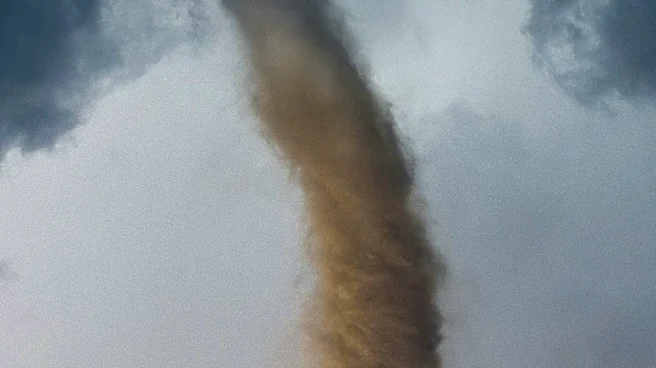
Delaware experienced a rare EF-1 tornado on November 12, 2026, marking only the second recorded November tornado in the state since 1950. The tornado touched down in New Castle County, traveling 4.4 miles through the Newark area with a maximum width of
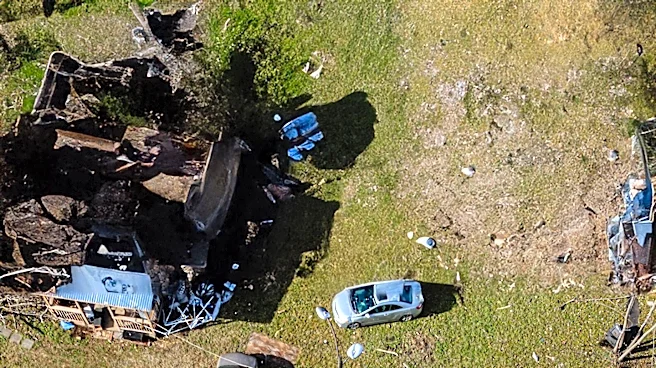
175 yards and estimated peak winds of 100 mph. The National Weather Service confirmed the touchdown, which occurred amid severe afternoon thunderstorms. The tornado damaged homes and trees in the Salem Woods neighborhood and other areas, crossed Interstate 95, and reached Christiana Hospital, where minor property damage was reported, including damage to medical helicopters and a helipad. No injuries or fatalities were reported in Delaware.
Why It's Important?
The occurrence of a tornado in November is highly unusual for Delaware, highlighting the increasing unpredictability of weather patterns and the potential for severe weather events outside traditional seasons. This event underscores the vulnerability of infrastructure and communities to such phenomena, even in regions where they are historically rare. The damage to residential areas and a major medical facility like Christiana Hospital demonstrates the immediate impact on public safety and essential services. For residents, it serves as a stark reminder of the importance of preparedness for severe weather, regardless of the time of year. The event also prompts questions about climate change's role in altering regional weather patterns.
What's Next?
Following the tornado, damage assessments by the National Weather Service were completed on November 13, confirming the tornado's path and intensity. Local authorities and residents will now focus on recovery efforts, including repairs to damaged homes and infrastructure. ChristianaCare will likely continue assessing and repairing damage to its facilities and medical helicopters. The rarity of this event may prompt local emergency management agencies to review and update their severe weather preparedness plans, particularly for out-of-season occurrences. Public awareness campaigns about tornado safety and preparedness might also be initiated or reinforced in the affected areas.
Beyond the Headlines
This rare November tornado in Delaware contributes to a growing body of evidence suggesting shifts in global and regional weather patterns. While a single event cannot definitively prove climate change, it aligns with observations of more frequent and intense extreme weather events across the United States. The incident could spur broader discussions on climate resilience, urban planning, and infrastructure development in areas not traditionally considered high-risk for tornadoes. It also highlights the need for continuous investment in meteorological research and early warning systems to protect communities from unexpected natural disasters, fostering a more adaptive approach to environmental challenges.