




What's Happening?
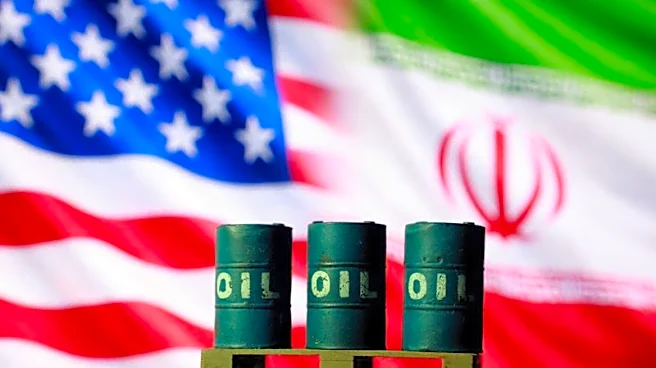
The U.S. Treasury Secretary Scott Bessent has announced a significant shift in the Trump administration's strategy towards Iran, moving from military actions to intensified economic sanctions. This approach aims to pressure Iran into compliance with U.S. demands
regarding its nuclear ambitions. The new sanctions are described as the 'financial equivalent' of a bombing campaign, targeting countries and entities that engage in business with Iran. This includes secondary sanctions on nations like China, Hong Kong, the UAE, and Oman, which are accused of facilitating Iranian illicit activities. The administration believes that by cutting off financial resources, Iran may be forced to negotiate. The sanctions also target an oil smuggling network linked to a deceased Iranian security official, further tightening the economic noose around Tehran.
Why It's Important?
The escalation of economic sanctions represents a strategic pivot in U.S. foreign policy, emphasizing financial pressure over military intervention. This approach could have significant implications for international relations, particularly with countries that maintain economic ties with Iran. The sanctions may strain U.S. relations with allies and trading partners, potentially leading to diplomatic and economic repercussions. For Iran, the increased financial pressure could destabilize its economy, affecting its ability to fund military and political activities. The move is part of a broader strategy to curb Iran's nuclear ambitions, with the U.S. leveraging economic tools to achieve geopolitical goals. The effectiveness of this strategy will depend on the international community's response and Iran's willingness to negotiate.
What's Next?
The Trump administration is preparing for potential diplomatic fallout from the new sanctions, especially from countries affected by secondary sanctions. The U.S. is also monitoring Iran's response, which could range from increased resistance to potential negotiations. The administration is poised to continue leveraging economic sanctions as a primary tool in its foreign policy arsenal, with further measures likely if Iran does not comply. The situation remains fluid, with ongoing discussions about the impact of these sanctions on global oil markets and international trade. The U.S. is also engaging with allies to build a coalition to support its strategy, aiming to increase pressure on Iran through collective action.
Beyond the Headlines
The shift to economic warfare highlights the evolving nature of international conflict, where financial instruments are increasingly used as tools of coercion. This approach raises ethical questions about the impact of sanctions on civilian populations, who often bear the brunt of economic hardships. The strategy also underscores the interconnectedness of global economies, where actions against one nation can ripple across borders, affecting international trade and economic stability. The long-term implications of this strategy could reshape U.S. foreign policy, prioritizing economic leverage over military might in addressing international disputes.