



What's Happening?
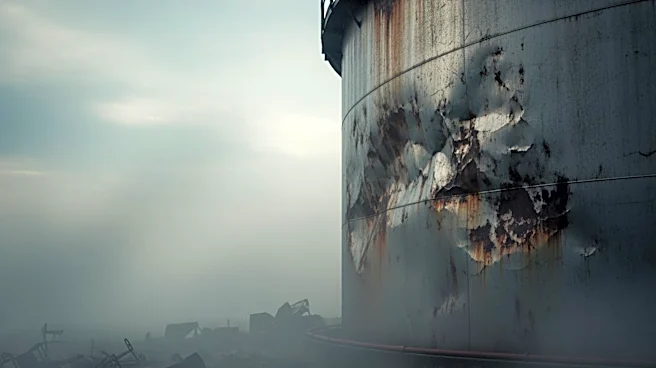
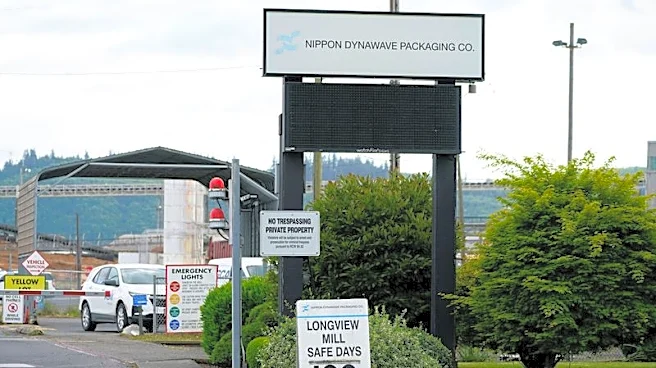
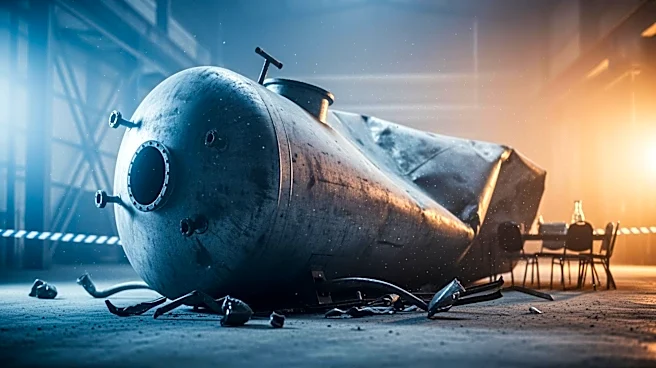
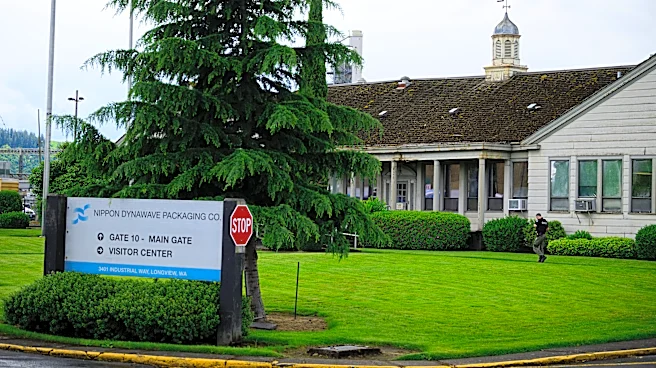
A catastrophic chemical tank rupture occurred at the Nippon Dynawave Packaging Co. in Longview, Washington, resulting in the deaths of 11 people. The incident took place when a tank containing over 500,000 gallons of a chemical mixture used in paper production
collapsed, releasing a flood of caustic chemicals. This disaster is one of the deadliest workplace accidents in recent U.S. history. The mill, a significant employer in the region, has deep ties to the community, with many residents having familial connections to the industry. The rupture caused extensive damage, overturning vehicles and damaging buildings. Authorities have recovered and identified all victims, and an investigation into the cause of the collapse is ongoing.
Why It's Important?
The disaster has profound implications for the Longview community, which has historically relied on the timber and paper industries for economic stability. The mill provides crucial jobs in a region that has seen a decline in such industries over recent decades. The incident raises concerns about the safety and future of the plant, which is vital to the local economy. The parent company, Nippon Paper Group, is assessing the financial impact of the accident. The loss of life and potential job insecurity could have lasting effects on the community, highlighting the need for stringent safety measures in industrial operations.
What's Next?
Authorities are investigating the cause of the tank's collapse to prevent future incidents. The community is focused on supporting the families of the victims and ensuring the safety of remaining operations. There is a strong desire among residents and officials to maintain the mill's operations, given its economic importance. The outcome of the investigation could lead to changes in safety regulations and operational procedures at the plant and similar facilities nationwide.
Beyond the Headlines
The disaster underscores the risks associated with industrial operations and the need for robust safety protocols. It also highlights the economic vulnerability of communities dependent on a single industry. The incident may prompt broader discussions on industrial safety standards and the balance between economic reliance on traditional industries and the need for diversification to ensure community resilience.