




What's Happening?
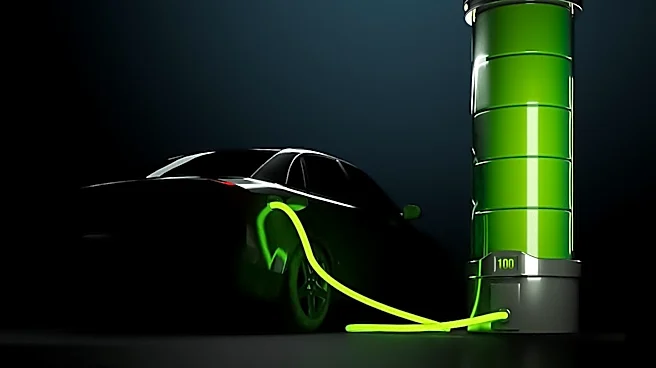
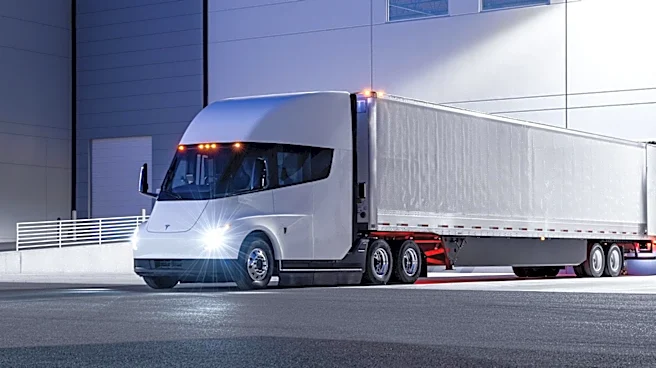
Lithium-ion batteries are the primary energy source for electric vehicles (EVs) and energy storage systems (ESS) due to their high energy density, lightweight, and long lifespan. These batteries store energy through the movement of lithium ions between
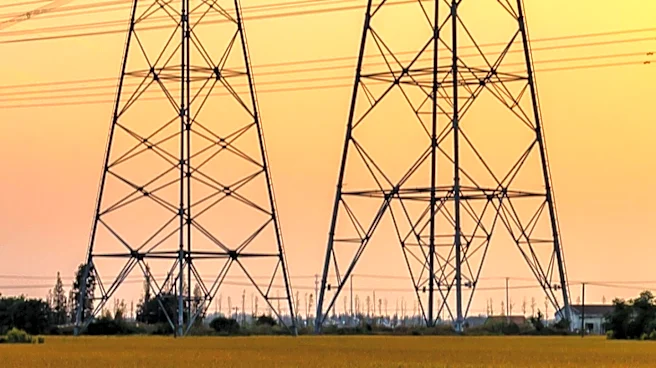
electrodes, enabling longer ranges and better efficiency in EVs. Beyond EVs, lithium-ion batteries are crucial for ESS, where they contribute to grid stabilization by balancing supply and demand, providing frequency regulation, and smoothing out fluctuations in power generation. This is particularly important for integrating intermittent renewable energy sources like solar and wind. ESS battery packs also store excess energy from renewables during low demand periods and release it when needed, improving overall efficiency and reliability of the power system and reducing reliance on fossil fuels. Additionally, they provide reliable backup power during outages for critical infrastructure such as hospitals and data centers.
Why It's Important?
The widespread adoption of lithium-ion batteries in EVs and ESS has significant implications for the U.S. energy landscape and economy. For the automotive industry, these batteries are driving the transition to electric vehicles, reducing reliance on fossil fuels, and contributing to cleaner air. The high energy density and fast-charging capabilities of lithium-ion cells are critical for consumer acceptance of EVs, addressing range anxiety and convenience concerns. In the energy sector, ESS powered by lithium-ion batteries are vital for modernizing the electrical grid. They enable greater integration of renewable energy sources, which helps the U.S. meet climate goals and enhances energy independence. By stabilizing the grid and providing backup power, these systems improve energy security and resilience, protecting critical infrastructure from disruptions. The continuous innovation in battery technology, including emerging solid-state batteries, promises further advancements in efficiency, cost, and safety, impacting manufacturing, job creation, and technological leadership in the U.S.
What's Next?
The future of battery technology in the U.S. is expected to see continued research and development into advanced lithium-ion chemistries and emerging technologies like solid-state batteries. These advancements aim to further improve energy density, reduce costs, enhance safety, and extend cycle life. The increasing demand for EVs and ESS will likely drive significant investment in domestic battery manufacturing and supply chains, reducing reliance on foreign sources and creating new economic opportunities. Policy initiatives and incentives are anticipated to support the deployment of more charging infrastructure for EVs and large-scale energy storage projects. Furthermore, efforts will focus on improving battery recycling processes to recover valuable materials and minimize environmental impact, contributing to a circular economy. The integration of smart battery management systems (BMS) will also become more sophisticated, optimizing performance and extending the lifespan of battery packs across various applications.
Beyond the Headlines
The rapid evolution and deployment of lithium-ion battery technology extend beyond immediate economic and environmental benefits, touching upon deeper societal and geopolitical implications. The shift towards electric vehicles and renewable energy storage fundamentally alters energy consumption patterns and infrastructure, potentially leading to a more decentralized and resilient energy grid. This transition also raises ethical considerations regarding the sourcing of raw materials like lithium and cobalt, prompting discussions around sustainable mining practices, labor conditions, and geopolitical dependencies. The U.S. faces the challenge of balancing its demand for these critical minerals with environmental protection and human rights. Moreover, the long-term disposal and recycling of these batteries present a significant environmental challenge, necessitating innovative solutions to prevent hazardous waste and recover valuable resources. The development of advanced battery technologies also positions the U.S. in a global race for technological supremacy, influencing national security and economic competitiveness.