







What's Happening?
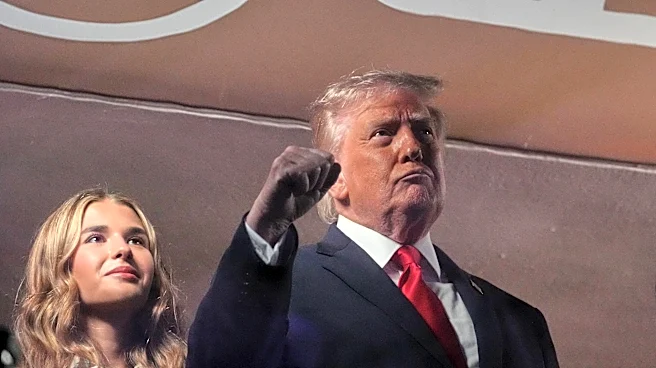
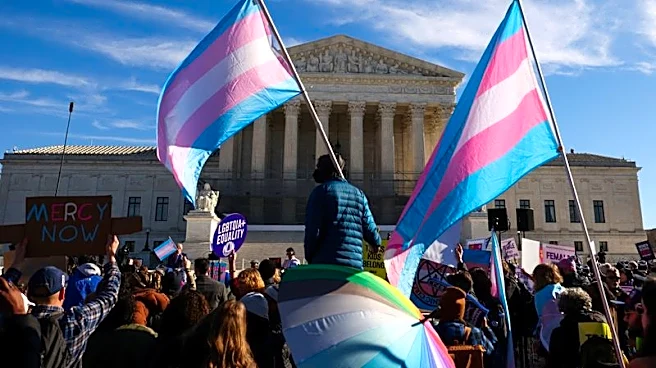
The U.S. Supreme Court is approaching the end of its current term, with several significant cases yet to be decided. Among the pending cases are those concerning birthright citizenship, gun rights, and the independence of government agencies. President
Trump has challenged the constitutional guarantee of birthright citizenship, arguing it does not apply to children of non-citizens. Additionally, the court is set to decide on the legality of laws requiring gun owners to obtain permission before bringing firearms onto private property in certain states. Another critical case involves the independence of government agencies, with potential implications for the ability of presidents to dismiss agency leaders. The court's decisions on these matters are expected by the end of June or early July.
Why It's Important?
The outcomes of these cases could have far-reaching implications for U.S. law and society. A ruling against birthright citizenship could alter the interpretation of the 14th Amendment and affect millions of individuals born in the U.S. to non-citizen parents. Decisions on gun rights could redefine the balance between state regulations and Second Amendment protections, impacting gun ownership laws nationwide. The case on agency independence could shift the power dynamics between the executive branch and independent agencies, potentially allowing future presidents greater control over these entities. These decisions will influence public policy, legal precedents, and the political landscape in the U.S.
What's Next?
The Supreme Court is expected to release its decisions on these cases by the end of June or early July. The rulings will likely prompt reactions from political leaders, advocacy groups, and the public. Depending on the outcomes, there may be calls for legislative action or further legal challenges. The decisions could also influence the upcoming election cycle, as candidates and parties respond to the court's rulings and their implications for voters.