







What's Happening?
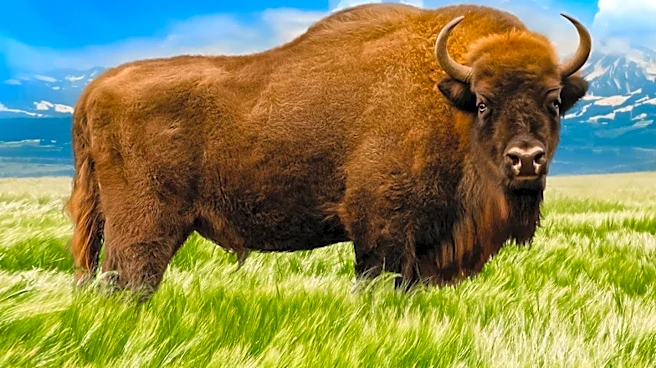
A new initiative in Montezuma County, Colorado, aims to combat food insecurity by providing locally raised bison meat to food pantries and potentially the Ute Mountain Ute Tribe. The Community Bison Program, spearheaded by the Farming Hands Initiative,
received a $48,950 grant from the LOR Foundation to purchase an initial herd of five to seven bison. The plan is to build a sustainable, long-term source of protein, with the herd expected to reach steady-state production within five years, offering a consistent annual supply of meat. The first bison harvest is anticipated this winter or spring, with the meat processed at USDA-inspected facilities and distributed to local food banks, including the Good Samaritan Food Pantry in Cortez. Discussions are ongoing to establish an arrangement with the Ute Mountain Ute Tribe to provide food boxes.
Why It's Important?
This initiative addresses critical issues of food insecurity and food sovereignty in southwestern Colorado, particularly in a region experiencing drought and facing federal budget cuts to programs like SNAP. By establishing a local, sustainable source of high-quality protein, the program reduces reliance on distant supply chains and fluctuating commodity prices, offering a more stable food option for vulnerable communities. The high cost of bison meat, often exceeding $12 per pound in grocery stores, makes it inaccessible to many, highlighting the importance of this program in providing nutritious food. Furthermore, the project supports local ranchers and aims to encourage new producers by lowering the barrier to entry into agriculture, fostering economic resilience within the community.
What's Next?
The immediate next step for the Community Bison Program is the first bison harvest, planned for this winter or spring. Following processing at USDA-inspected facilities, the meat will be distributed to local food banks. The Farming Hands Initiative is actively working to finalize arrangements with the Ute Mountain Ute Tribe to include tribal members in the food distribution. In the long term, the initiative plans to expand beyond the initial ranch to include other local producers of cattle and hogs. There are also aspirations to fund a local grower and a large greenhouse to supply vegetables to local food programs, aiming for year-round growing of root vegetables and potatoes to further enhance food security.
Beyond the Headlines
Beyond providing immediate food relief, this initiative represents a deeper commitment to community resilience and cultural preservation. The concept of 'food sovereignty' is central, emphasizing the right of people to access locally sourced, culturally appropriate food, moving away from cheaper, processed alternatives. The program's focus on bison, an animal historically significant to the landscape and Indigenous communities, offers a unique opportunity for educational components, such as inviting tribal members to demonstrate Indigenous harvest methods. This approach not only addresses nutritional needs but also strengthens community ties, supports local economies, and potentially revives traditional practices, creating a model for sustainable food systems that are both economically viable and culturally respectful.