


What's Happening?
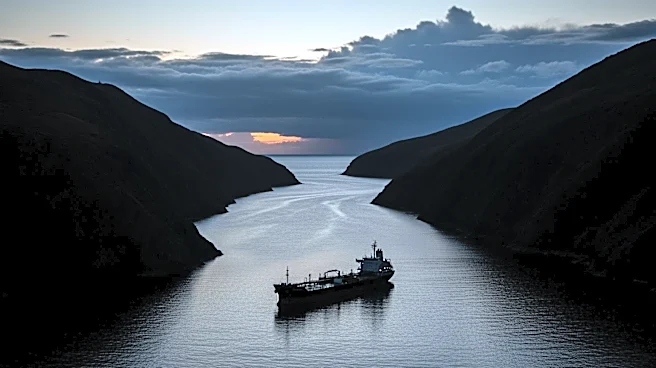
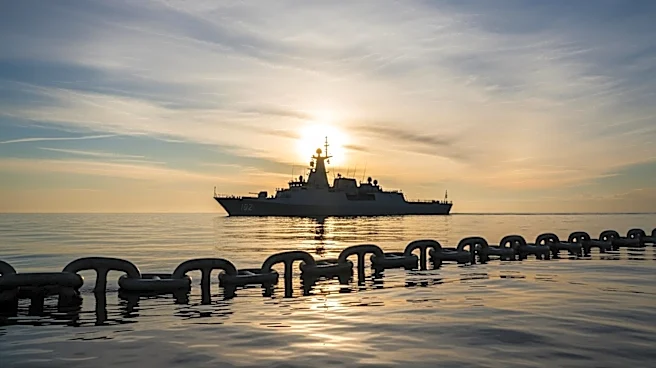
Recent developments have cast doubt on the potential for peace talks between the United States and Iran. Tensions have escalated following violent incidents in the Strait of Hormuz, a critical waterway for global oil shipments. The violence has raised
concerns about the stability of the region and the feasibility of diplomatic negotiations aimed at easing long-standing hostilities. The Strait of Hormuz has historically been a flashpoint for conflict, and the latest flare-up threatens to derail efforts to bring the two nations to the negotiating table. The situation underscores the fragile nature of international relations in the region and the challenges faced by diplomatic efforts to resolve ongoing disputes.
Why It's Important?
The Strait of Hormuz is a vital corridor for the global oil supply, with a significant portion of the world's petroleum passing through it. Any disruption in this area can have far-reaching implications for global energy markets and economic stability. The potential breakdown of U.S.-Iran talks could exacerbate tensions in the Middle East, leading to increased volatility in oil prices and impacting international trade. Moreover, the failure to engage in constructive dialogue may lead to further military confrontations, affecting regional security and potentially drawing in other global powers. The situation highlights the importance of diplomatic engagement and the need for effective conflict resolution mechanisms to prevent escalation.
What's Next?
The international community will be closely monitoring the situation in the Strait of Hormuz and the potential for renewed diplomatic efforts between the U.S. and Iran. Key stakeholders, including regional allies and global powers, may seek to mediate or influence the course of events to prevent further escalation. The U.S. government may also consider additional measures to protect its interests and ensure the security of maritime routes. The outcome of these developments will likely shape the geopolitical landscape of the Middle East and influence future diplomatic strategies.