


What's Happening?
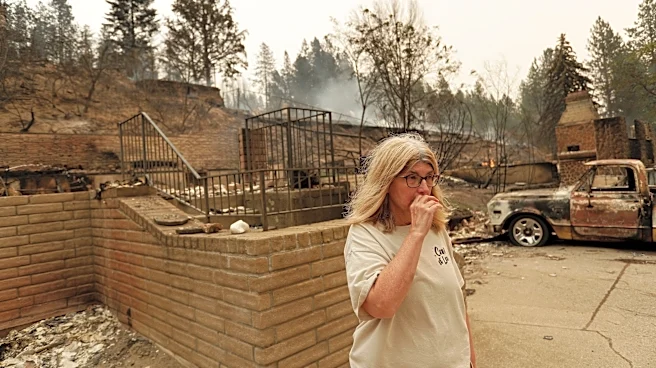
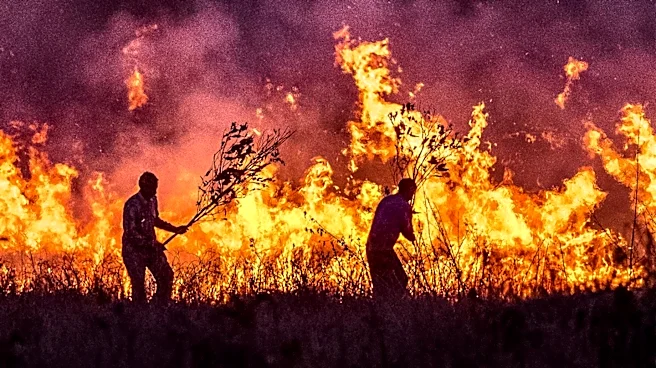
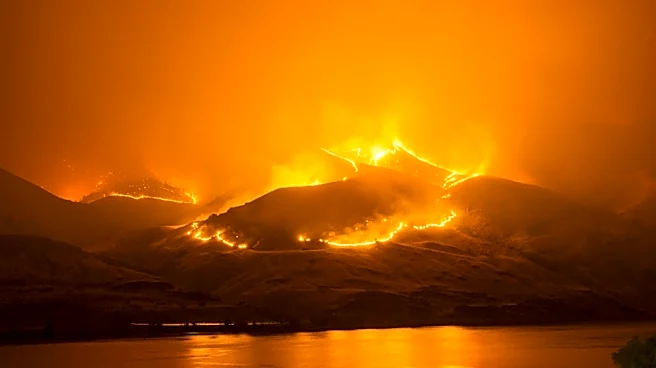
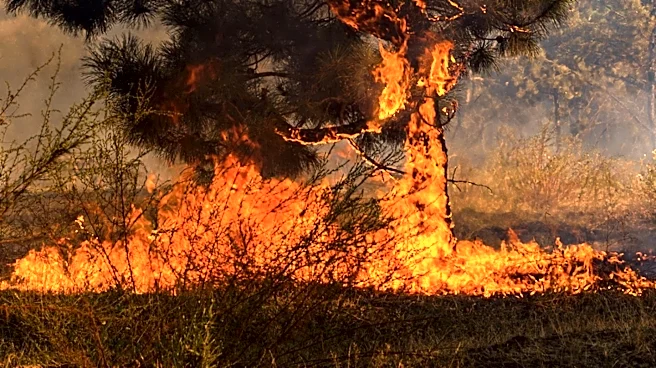
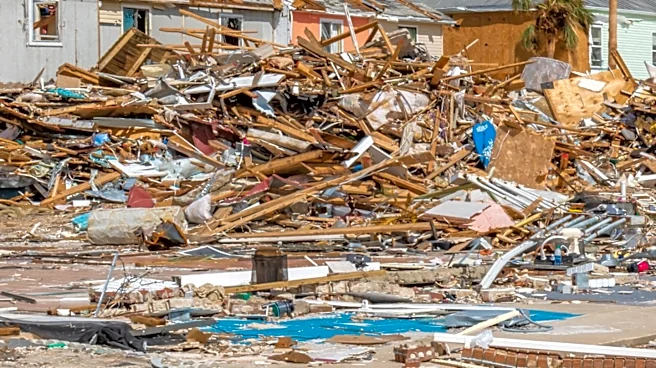
Wildfires in eastern Washington have led to the evacuation of 60,000 people in the Spokane area and the destruction of at least 600 structures, including homes and businesses. The fires, which have burned approximately 8.2 square miles, are part of a larger
series of wildfires affecting the western United States. The situation is exacerbated by challenging weather conditions, including high winds and dry heat, which have hindered firefighting efforts. The National Weather Service has issued air quality warnings and red flag fire warnings across several states. Local and federal agencies are stretched thin as they work to contain the fires, with additional support called in from California.
Why It's Important?
The wildfires in Washington highlight the increasing frequency and intensity of such events, likely linked to climate change and prolonged drought conditions. The large-scale evacuations and destruction of property underscore the urgent need for effective disaster preparedness and response strategies. The fires also pose significant health risks due to poor air quality, affecting vulnerable populations, including those in hospitals. The economic impact is substantial, with potential losses in property and infrastructure, as well as disruptions to local businesses and services. This situation calls for a reevaluation of land management practices and increased investment in firefighting resources.
What's Next?
Authorities are continuing efforts to contain the fires, with additional resources being deployed to the affected areas. The weather forecast suggests continued dry conditions, which may prolong the firefighting efforts. Local governments are coordinating with federal agencies to provide shelter and support for evacuees. There is also a focus on restoring power to affected areas, as utility companies work to repair damaged infrastructure. In the long term, discussions around climate resilience and adaptation strategies are likely to intensify, with potential policy changes aimed at mitigating future wildfire risks.