







What's Happening?
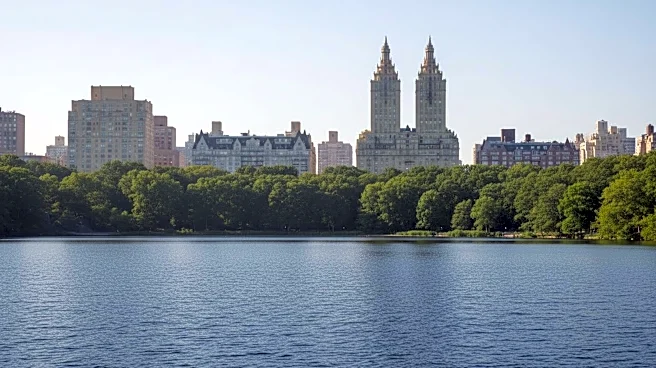
A Legionnaires' disease outbreak on New York City's Upper East Side has sickened at least 28 people. The outbreak is attributed to the bacterium Legionella pneumophila, which thrives in warm water environments. Health officials have identified 19 buildings
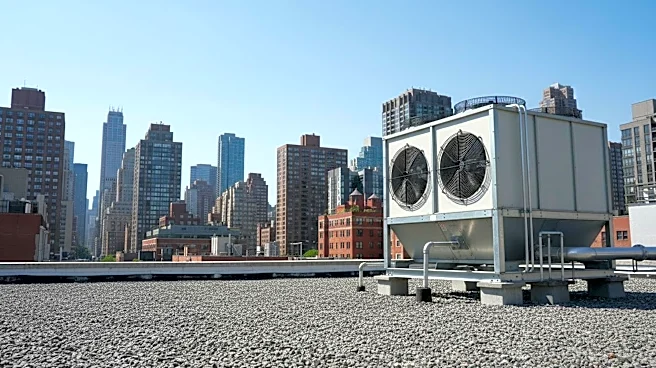
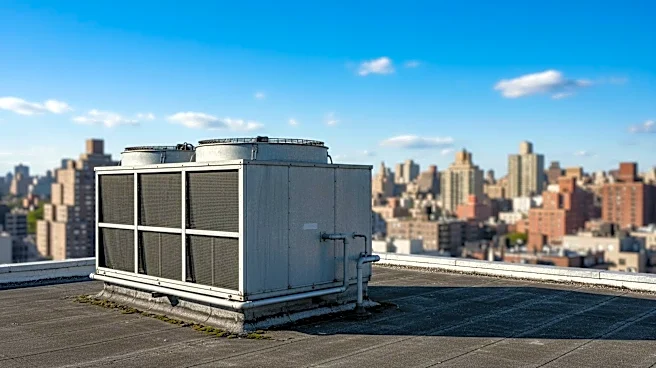
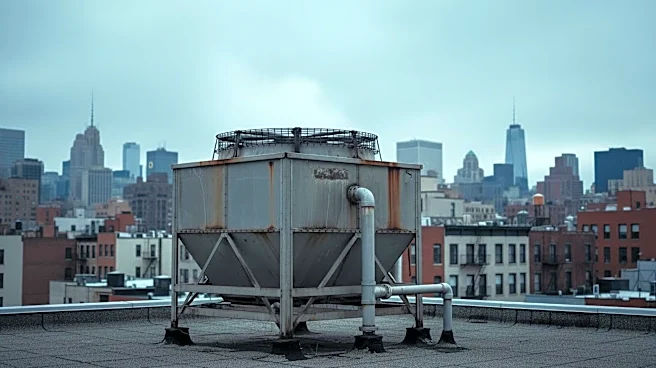
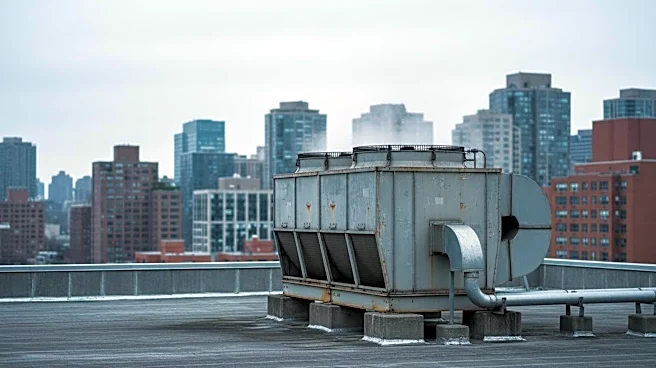
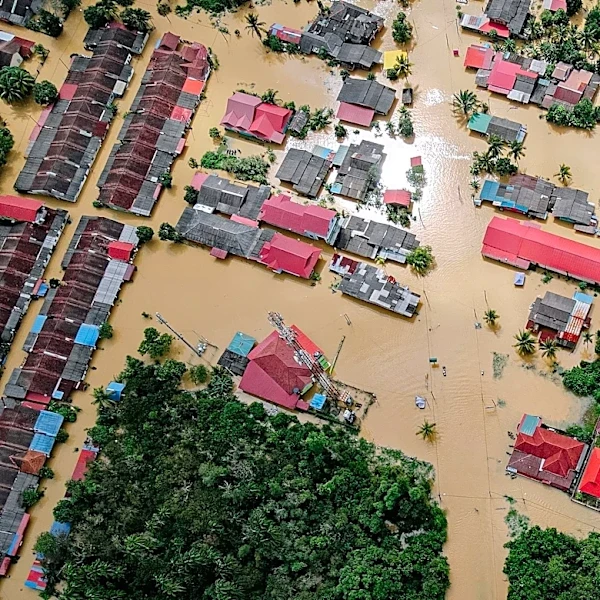
as 'buildings of interest' and have ordered them to clean and disinfect their cooling towers. The outbreak is part of a broader trend of increasing Legionnaires' cases globally, exacerbated by climate change, which creates favorable conditions for the bacterium. The disease, while rare, can be severe and is often fatal in about 10% of cases.
Why It's Important?
This outbreak underscores the intersection of public health and climate change, as rising temperatures contribute to the proliferation of Legionella bacteria. The situation highlights the need for robust public health infrastructure and proactive measures to mitigate the risks associated with climate change. The outbreak also raises concerns about the vulnerability of urban populations, particularly those in areas with aging infrastructure and inadequate maintenance. The response to this outbreak will be critical in preventing future incidents and protecting public health.
What's Next?
The New York City health department will continue its investigation to identify the specific source of the outbreak. This involves extensive testing and genome sequencing of water samples. The findings will inform future public health strategies and building maintenance regulations. The ongoing investigation may take several weeks, and the results will be crucial in understanding the outbreak's dynamics and preventing similar incidents in the future.
Beyond the Headlines
The outbreak highlights broader issues of environmental justice, as Legionnaires' disease disproportionately affects marginalized communities. The incident also emphasizes the need for comprehensive climate adaptation strategies to address the health impacts of a warming planet. Public awareness and education about the risks and prevention of Legionnaires' disease are essential components of a long-term solution.