


What's Happening?
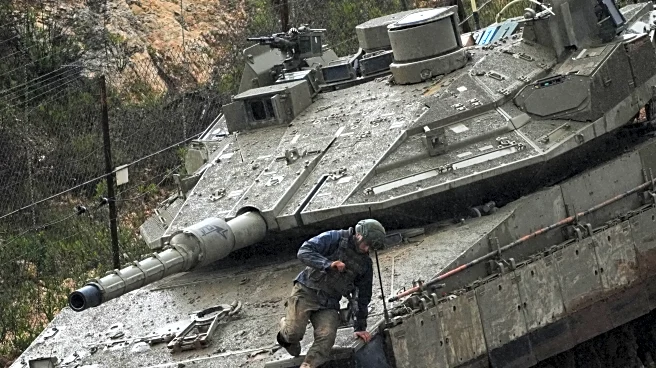
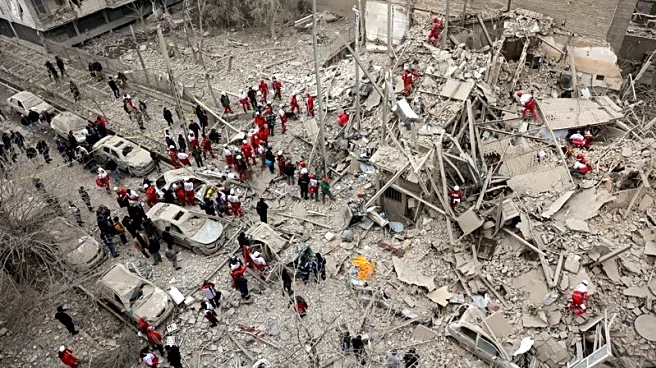
The ongoing U.S.-Israeli conflict with Iran has significantly disrupted global food supply chains by affecting the Strait of Hormuz, a critical passage for global fertilizer shipments. This disruption has led to a substantial increase in the prices of oil,
natural gas, and fertilizers, which are essential for agricultural production. The conflict has caused shipping traffic through the strait to slow to a trickle, impacting countries that rely heavily on these imports for their agricultural sectors. The rise in fertilizer prices, reported to be up by 30% in some regions, is particularly concerning for countries like India, Pakistan, and Brazil, which depend on these imports for their food production. The situation is exacerbated by the lack of strategic international fertilizer stockpiles, unlike oil reserves, making it difficult for affected countries to find quick alternatives.
Why It's Important?
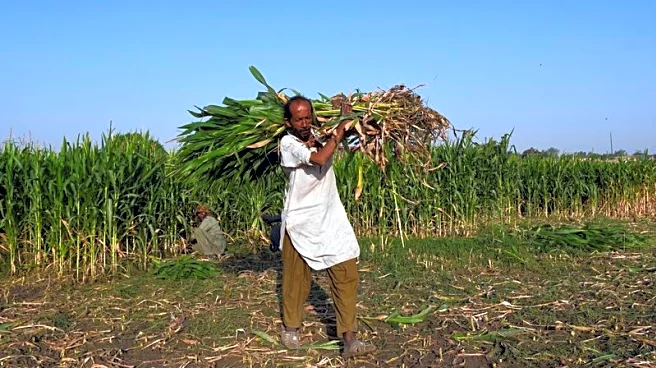
The disruption of the Strait of Hormuz has far-reaching implications for global food security. Fertilizers are crucial for crop production, and their scarcity or increased cost can lead to reduced agricultural output, affecting food availability and prices worldwide. Countries in South Asia, East Africa, and the Middle East are particularly vulnerable, as they rely on imports from the Gulf region. The increase in food prices could lead to higher rates of malnutrition, especially in poorer regions where a significant portion of household income is spent on food. The conflict also affects the export markets of major food-producing countries, potentially leading to economic losses and further instability in global food markets.
What's Next?
If the Strait of Hormuz remains closed, the global food supply chain could face prolonged disruptions, leading to sustained high prices and potential shortages. Countries affected by the fertilizer shortage may need to seek alternative sources or adjust their agricultural practices to cope with reduced inputs. The international community may need to explore diplomatic solutions to reopen the strait and stabilize the situation. Additionally, there could be increased pressure on governments and international organizations to develop strategic reserves for fertilizers to prevent similar crises in the future.