





What's Happening?
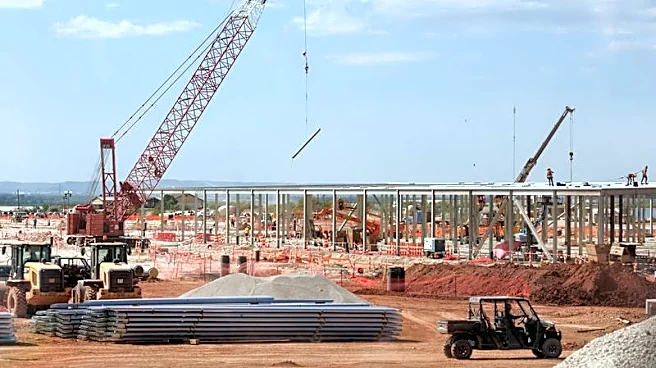
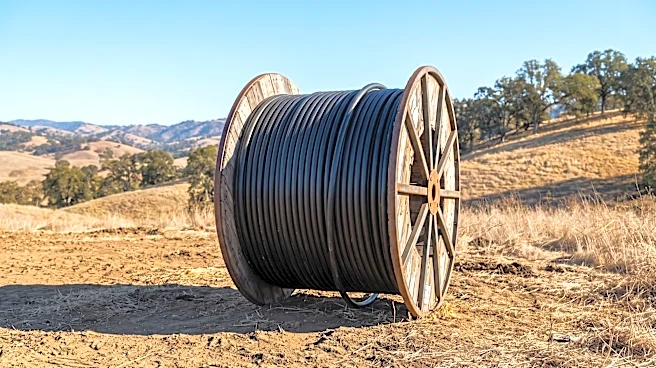
PG&E is actively working to mitigate wildfire risk in Mariposa County, California, by undertaking a significant project to move power lines underground. The utility began running cable to remove existing above-ground lines, with plans to complete 35 miles
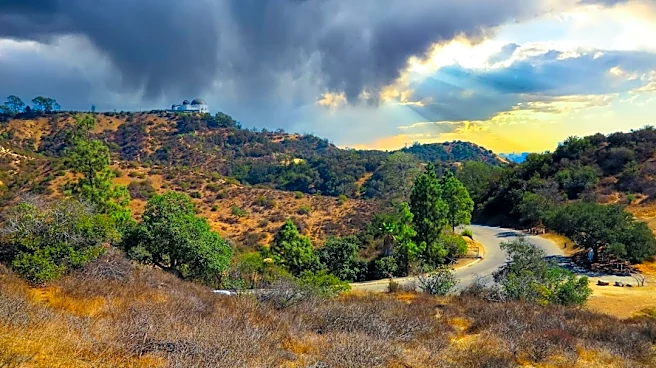
of underground lines in 2026. This initiative is driven by the need to reduce the likelihood of wildfires caused by electrical infrastructure. According to Vanessa Bryan, Senior Manager of Customer Experience for PG&E's Undergrounding Program, this project is expected to reduce fire risk by 98 percent. Beyond wildfire prevention, the undergrounding effort also aims to restore the natural aesthetics of the county and enhance the reliability of the power grid. Additional work is planned for the following year, indicating a sustained commitment to this mitigation strategy.
Why It's Important?
This project by PG&E holds significant importance for both environmental safety and infrastructure reliability in California. Wildfires, often exacerbated by aging electrical infrastructure, pose a severe threat to communities, ecosystems, and the economy. By moving power lines underground, PG&E is directly addressing a major cause of these destructive events, thereby protecting homes, lives, and natural resources. The 98% reduction in fire risk is a substantial improvement that could prevent future catastrophic fires, reducing the financial burden of damages and emergency response. Furthermore, the initiative improves power grid reliability, especially during winter months when above-ground lines are vulnerable to weather-related outages. This dual benefit of enhanced safety and service stability is crucial for the well-being and economic stability of Mariposa County residents and businesses, setting a precedent for other utilities in high-risk areas.
What's Next?
PG&E's undergrounding project in Mariposa County is an ongoing effort, with 35 miles of power lines expected to be completed in 2026 and further work planned for the subsequent year. The utility is prioritizing the highest fire-risk areas for current cable installation. This phased approach suggests a long-term commitment to infrastructure hardening and wildfire mitigation. The success and lessons learned from this project in Mariposa County could influence similar initiatives in other high-risk regions across California and potentially other states. Stakeholders, including local residents, environmental groups, and regulatory bodies, will likely monitor the project's progress and its impact on wildfire incidents and power reliability. The project's benefits, such as improved reliability during winter months, may also encourage broader adoption of undergrounding as a comprehensive solution for utility infrastructure challenges.
Beyond the Headlines
The shift towards undergrounding power lines, as demonstrated by PG&E in Mariposa County, represents a broader trend in utility infrastructure development aimed at climate resilience. This initiative goes beyond immediate wildfire prevention, touching upon the long-term sustainability of energy delivery systems in the face of increasing climate volatility. The aesthetic improvement and enhanced reliability contribute to the overall quality of life and economic vitality of the affected communities. However, such large-scale infrastructure projects also involve significant costs, which are often passed on to consumers, raising questions about affordability and equitable access to resilient infrastructure. The project also highlights the complex interplay between utility companies, environmental concerns, and public safety, underscoring the need for integrated planning and investment in climate-adaptive solutions. This move could also spur innovation in undergrounding technologies and construction methods, creating new opportunities within the engineering and utility sectors.