





What's Happening?
The nonpartisan Congressional Budget Office (CBO) has released a report indicating that investing in flood prevention measures is significantly more economical than covering the costs of disaster aftermath. The report, requested by Senator Jeff Merkley
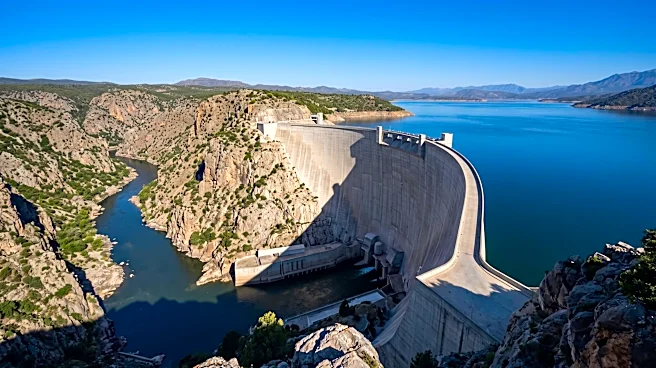
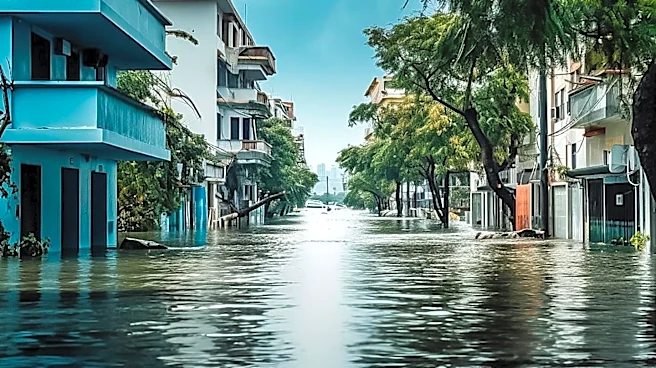
(D-OR), the ranking member on the Senate Budget Committee, states that for every dollar spent on flood prevention, nearly two dollars in taxpayer money would be saved from disaster response. Over a 30-year period, every $1 billion invested in prevention could reduce future flood damage costs by $3 to $4 billion. This would translate to $1.8 billion in savings for taxpayers in disaster spending. Additionally, the report projects a reduction of $300 million in National Flood Insurance Program (NFIP) claims, which would benefit policyholders through lower premiums. Flood adaptation methods highlighted in the report include repairing local dams and levees, and elevating properties in high-risk areas.
Why It's Important?
This CBO report underscores a critical economic and policy argument for proactive disaster mitigation in the U.S. The findings suggest that current approaches to flood management, which often prioritize post-disaster relief, are financially inefficient. By demonstrating a clear return on investment for prevention, the report provides a strong basis for policymakers to advocate for increased funding and implementation of flood adaptation strategies. Reducing NFIP claims is particularly significant, as the program has faced financial challenges and rising premiums, impacting homeowners in flood-prone regions. Shifting towards prevention could stabilize the program, make insurance more affordable, and reduce the financial burden on both taxpayers and affected communities. The emphasis on infrastructure improvements like dam and levee repairs, alongside property elevation, points to a comprehensive strategy that could protect lives, property, and the national economy from the escalating impacts of flooding.
What's Next?
The CBO report is likely to influence upcoming legislative discussions and budget allocations related to disaster preparedness and climate resilience. Senator Jeff Merkley's request for the study suggests a potential push for policy changes that prioritize flood prevention. Lawmakers may use these findings to advocate for increased federal investment in infrastructure projects aimed at mitigating flood risks, such as upgrading existing dams and levees, and supporting community-level initiatives for property elevation. There could also be renewed efforts to reform the National Flood Insurance Program, potentially incorporating incentives for preventative measures to reduce future claims and ensure the program's long-term solvency. Stakeholders, including state and local governments, insurance companies, and environmental groups, are expected to leverage the report's conclusions to press for more robust and proactive flood management policies across the nation.
Beyond the Headlines
The CBO's analysis extends beyond immediate financial savings, touching upon broader societal implications. A proactive approach to flood prevention can foster greater community resilience, reducing the psychological and social toll that repeated flooding events inflict on residents. By investing in measures like elevating homes and reinforcing infrastructure, communities can maintain stability, prevent displacement, and preserve local economies. This shift from reactive disaster response to proactive risk reduction also aligns with growing calls for climate adaptation strategies, acknowledging the increasing frequency and intensity of extreme weather events. The report implicitly highlights the ethical imperative of protecting vulnerable populations and ensuring equitable access to resources that can safeguard against environmental hazards, potentially leading to a re-evaluation of urban planning and development in flood-prone areas.