


What's Happening?
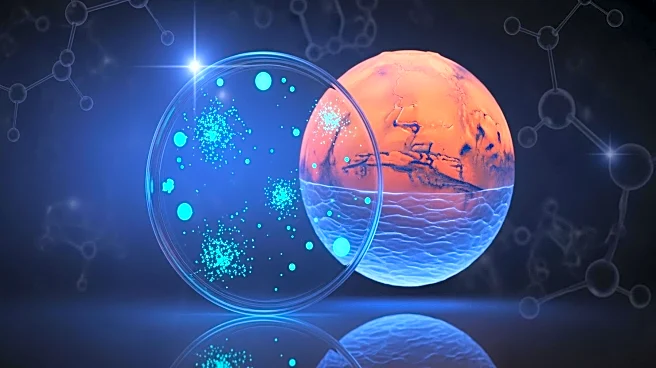
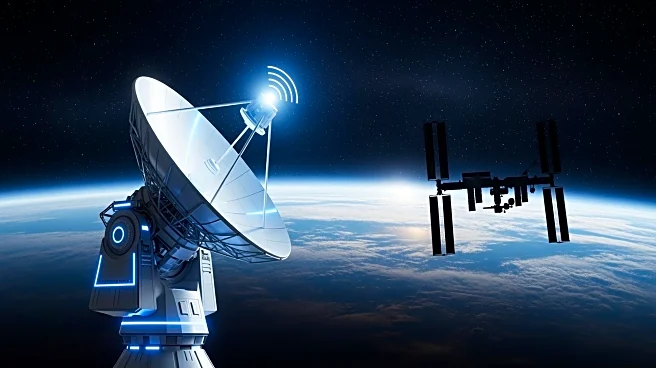
NASA is actively working towards its ambitious goal of sending humans to Mars, potentially as early as the 2030s. The agency's strategy involves leveraging the International Space Station (ISS) as a testing ground for technologies and communication systems
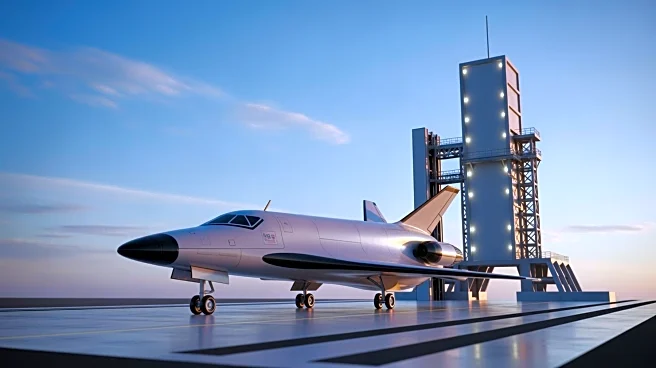
essential for sustaining human life on another planet. The Artemis missions to the moon are a critical component of this plan, serving as preparatory steps for longer space missions required for a Mars expedition. NASA is currently developing at least six different technologies aimed at facilitating human travel to the Red Planet. However, challenges remain, particularly concerning the effects of long-term space travel on the human body, such as the impact of extended low-gravity exposure.
Why It's Important?
The prospect of human exploration of Mars represents a significant milestone in space exploration, with profound implications for science, technology, and international collaboration. Successfully landing humans on Mars would not only advance our understanding of the planet but also drive technological innovations that could benefit various industries on Earth. The mission could stimulate economic growth through the development of new technologies and create opportunities for international partnerships in space exploration. Additionally, it would inspire future generations to pursue careers in science, technology, engineering, and mathematics (STEM) fields, fostering a new era of exploration and discovery.
What's Next?
As NASA continues to develop the necessary technologies for a Mars mission, the agency will likely face increased scrutiny and pressure to meet its ambitious timeline. Key stakeholders, including government bodies, international partners, and private sector companies, will play crucial roles in supporting and funding these efforts. The success of the Artemis missions will be closely monitored as they provide critical insights and data for the eventual Mars expedition. Public interest and support will also be vital, as NASA seeks to maintain momentum and secure the resources needed to achieve its goals.