




What's Happening?
Maersk, a leading global shipping company, has reported that the ongoing conflict in Iran has significantly increased its fuel costs, adding approximately $500 million monthly. The company's CEO, Vincent Clerc, highlighted that the energy crisis is expected
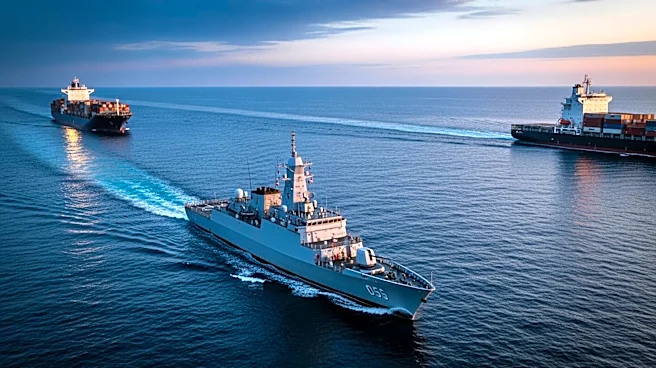
to persist even if a peace deal is reached. The conflict has led to a surge in bunker fuel prices, impacting Maersk's profit margins despite stable freight volumes. The company has managed to pass these costs onto customers through contract renegotiations and spot rate increases. However, the situation remains volatile, with Maersk projecting global container volume growth between 2% and 4% for the year. The conflict has also disrupted shipping routes, with the closure of the Strait of Hormuz affecting Maersk's operations, although the company maintains resilience due to the limited percentage of global trade affected.
Why It's Important?
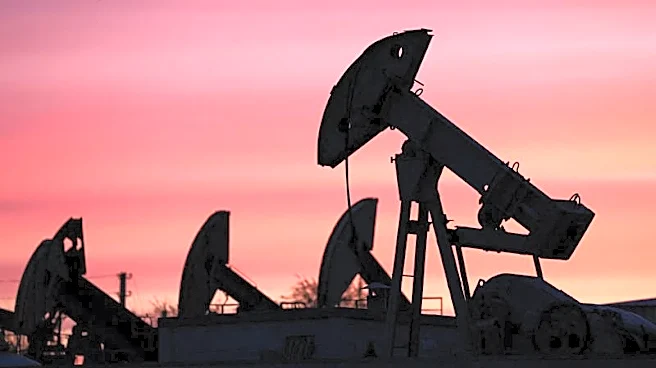
The rising energy costs and disrupted shipping routes due to the Iran conflict pose significant challenges for Maersk and the global shipping industry. The increased costs could lead to higher prices for consumers, potentially affecting demand and contributing to inflation. Maersk's ability to pass on costs to customers highlights the broader economic impact, as businesses may face increased operational expenses. The situation underscores the vulnerability of global trade to geopolitical tensions, with potential repercussions for supply chains and economic stability. The prolonged energy crisis could also influence future shipping strategies and investments, as companies seek to mitigate risks associated with volatile fuel prices and geopolitical disruptions.
What's Next?
Maersk anticipates softer growth in the second half of 2026 as higher energy prices continue to impact consumer spending and inflation. The company is actively reviewing its shipping routes, considering a return to the Red Sea despite current rerouting around Africa. The availability of naval escorts and monitoring assets will be crucial for ensuring safe passage through conflict-affected areas. Analysts warn that overcapacity in the shipping industry could exacerbate challenges in 2027, with a significant number of new vessels scheduled for delivery. Maersk's strategic decisions in response to these challenges will be closely watched by industry stakeholders and could influence broader shipping and trade policies.