






What's Happening?
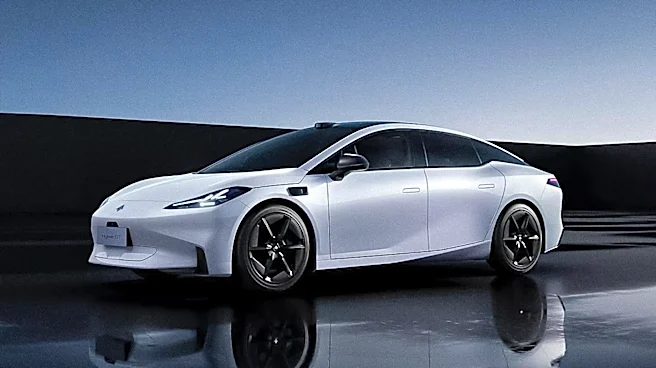
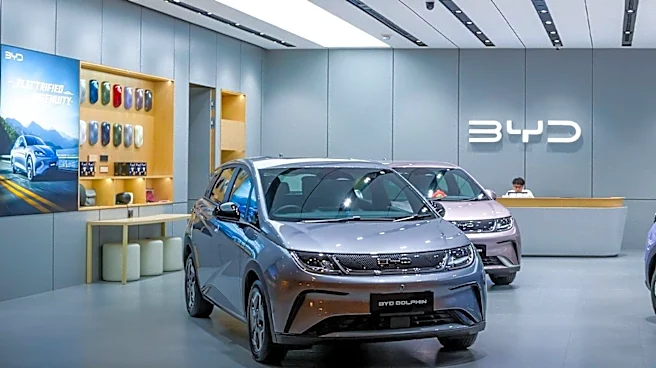
Brazil has imported $5.2 billion worth of Chinese vehicles in the first five months of 2026, surpassing Russia as China's largest overseas car market. This surge in imports, particularly of battery-electric and hybrid vehicles, comes as Brazil increases
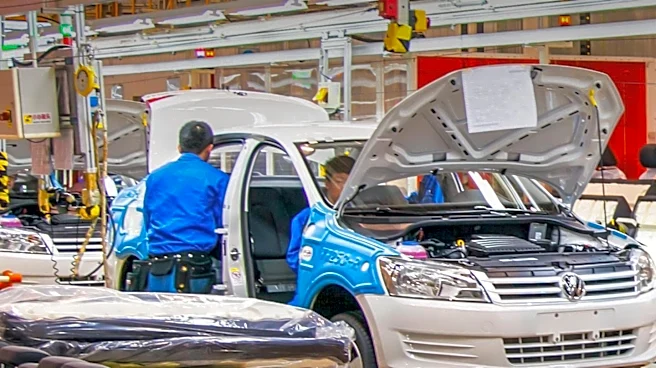
duties on imported EVs and hybrids to 35%. The Brazilian government is leveraging its purchasing power to encourage Chinese automakers like BYD, Chery, and Great Wall to establish local manufacturing operations. The new tariffs are part of Brazil's strategy to ensure that foreign automakers contribute to the local economy by building vehicles domestically, utilizing Brazilian labor and supply chains.
Why It's Important?
The increase in Chinese car imports and the subsequent push for local manufacturing highlight Brazil's strategic approach to fostering economic growth and job creation. By imposing higher tariffs on imported vehicles, Brazil aims to attract foreign investment in local factories and supply chains, thereby strengthening its automotive industry. This move could lead to lower car prices for consumers and increased competition among automakers, benefiting the Brazilian economy. Additionally, the focus on electric and hybrid vehicles aligns with global trends towards sustainable transportation, potentially positioning Brazil as a key player in the clean energy vehicle market.
What's Next?
As Brazil continues to implement tariffs and quotas, Chinese automakers may face increased pressure to establish local manufacturing facilities to maintain their market presence. This could lead to significant investments in Brazilian infrastructure and workforce development. The Brazilian government is likely to monitor the impact of these policies on the automotive market and adjust strategies to maximize economic benefits. The success of this approach could serve as a model for other countries seeking to balance foreign trade with domestic economic interests.