







What's Happening?
The Department of Defense (DoD) is significantly expanding its security cooperation mission, which involves providing military services and equipment to U.S. allies and partners. This expansion necessitates a substantial effort to build and professionalize
the workforce responsible for these activities. Jim Reynolds, a director in GAO’s International Affairs and Trade Team, notes that while various security cooperation activities have long existed, the current focus is on consolidating and integrating these disparate efforts across combatant commands, embassies, and the Defense Security Cooperation Agency. This integration aims to create a more closely aligned workforce, representing a cultural shift within the DoD. The 2024 and 2026 National Defense Authorization Acts (NDAAs) have introduced numerous reforms to support this initiative, with the DoD having completed 46 out of 66 legal provisions outlined in these acts. Key developments include the creation of the Defense Security Cooperation Service to professionalize personnel in embassies and the identification of a nearly 20,000-strong workforce involved in security cooperation.
Why It's Important?
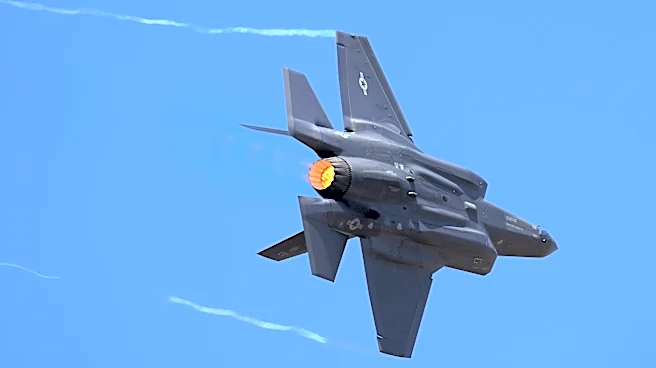
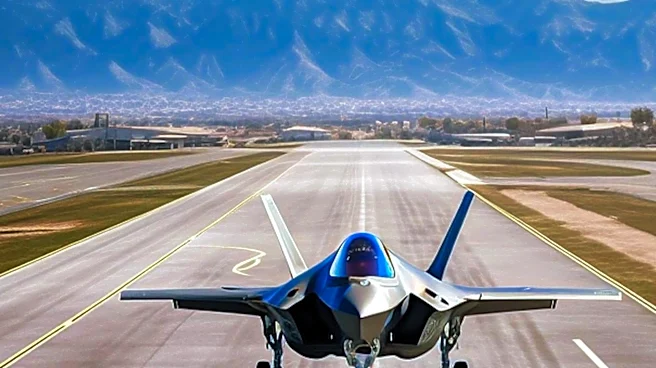
This expansion and professionalization of the DoD's security cooperation workforce are crucial for several reasons. Firstly, it directly supports U.S. national security and defense strategies, which increasingly emphasize working 'by, with, and through' allies and partners. Equipping and preparing these partners serves as both a deterrent force and a potential collaborative force in conflicts. Secondly, the value of U.S. defense sales to allies and partners, including foreign military sales and direct commercial sales, is substantial, often exceeding the DoD's own procurement budget. This means the defense industrial base, spread across the country, relies heavily on these international sales, making the security cooperation mission vital for economic stability and job creation within the U.S. defense sector. A more efficient and integrated security cooperation enterprise can enhance these relationships, streamline defense article and service delivery, and ultimately strengthen global security alliances.
What's Next?
The DoD aims to complete the remaining reforms by 2028, a timeline described as ambitious. Key challenges ahead include building management information systems for integrating personnel data across the DoD and establishing clear career paths for security cooperation professionals. While significant progress has been made in defining the problem set and putting institutional pieces in place, such as the Defense Security Cooperation University, the long-term success will depend on effective execution over time. The GAO anticipates continued oversight, with future audits likely to assess the effectiveness of these reforms. Congressional interest in defense sales is expected to remain strong due to their impact on national security, international relations, and the U.S. defense industrial base, ensuring sustained attention and potential legislative support for these ongoing efforts.
Beyond the Headlines
The push to professionalize the security cooperation workforce reflects a deeper strategic shift in U.S. foreign policy and defense posture. It acknowledges that in an increasingly complex global environment, partnerships are paramount. This initiative moves beyond transactional arms sales to fostering long-term, integrated security relationships. The emphasis on workforce development, training, and career paths signifies a recognition that human capital is as critical as hardware in achieving strategic objectives. Furthermore, the integration of disparate activities into a cohesive framework highlights a move towards greater efficiency and accountability in how the U.S. engages with its allies. This cultural change within the DoD, though challenging and time-consuming, could lead to more resilient alliances and a more effective projection of U.S. influence globally, impacting not just military capabilities but also diplomatic and economic ties.