






What's Happening?
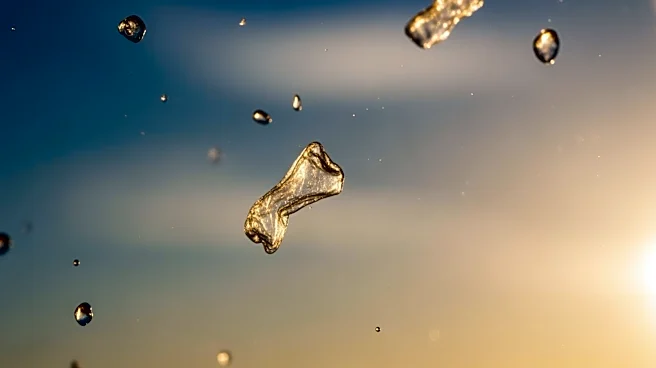
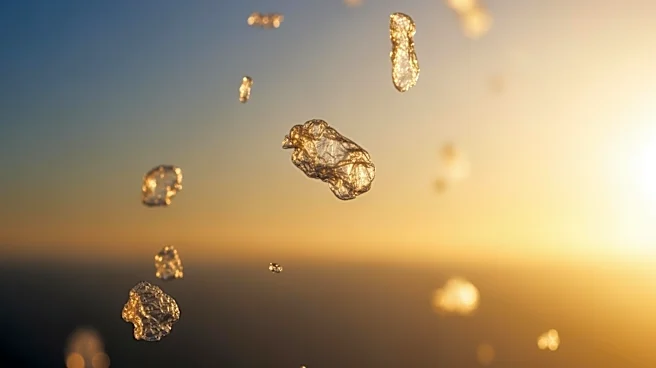
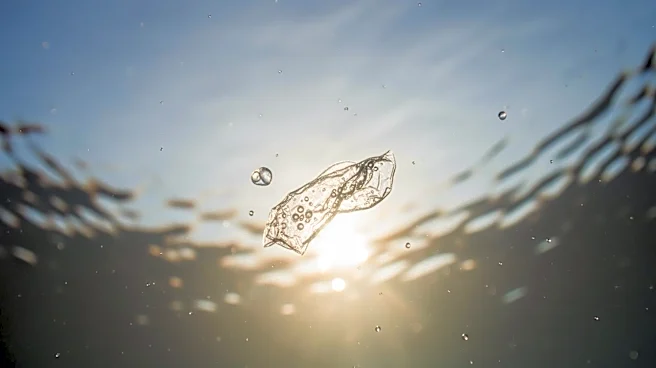
Recent research has revealed that microplastics in the atmosphere are contributing to climate change by trapping heat, a finding that challenges previous assumptions about their impact. Scientists from China and the United States have discovered that these
tiny plastic particles, which are often colored, absorb sunlight and contribute to global warming. The study, published in Nature Climate Change, indicates that airborne plastic pollution has 16.2% of the heat-trapping effect of black carbon, a major contributor to global warming. This effect is particularly pronounced in areas with high concentrations of plastic, such as the Pacific Ocean, where plastic particles have 4.7 times the impact of black carbon. The research highlights the need for updated climate models to account for the warming effects of atmospheric plastics.
Why It's Important?
The findings underscore the growing environmental threat posed by plastic pollution, which not only affects oceans and wildlife but also contributes to atmospheric warming. This research suggests that the impact of microplastics on climate change has been underestimated, potentially altering how scientists and policymakers approach climate mitigation strategies. The study's results could influence international efforts to address plastic waste, emphasizing the need for comprehensive policies that consider both terrestrial and atmospheric plastic pollution. As the world grapples with climate change, understanding all contributing factors, including microplastics, is crucial for developing effective solutions.
What's Next?
The study calls for more extensive global measurements to accurately assess the concentration of microplastics in the atmosphere and their precise impact on climate change. This could lead to increased international collaboration and policy development aimed at reducing plastic pollution. Additionally, the research may prompt further studies to explore the long-term effects of microplastics on climate patterns and weather events. As awareness of the issue grows, governments and environmental organizations may intensify efforts to curb plastic production and improve waste management practices.
Beyond the Headlines
The research highlights a less visible but significant aspect of plastic pollution—its presence in the atmosphere and its role in climate change. This adds a new dimension to the environmental and health challenges posed by plastics, which have traditionally been associated with oceanic and terrestrial impacts. The study also raises ethical questions about the responsibility of industries and governments in addressing the full lifecycle of plastic products, from production to disposal. As the understanding of microplastics' impact evolves, it may lead to shifts in consumer behavior and increased demand for sustainable alternatives.