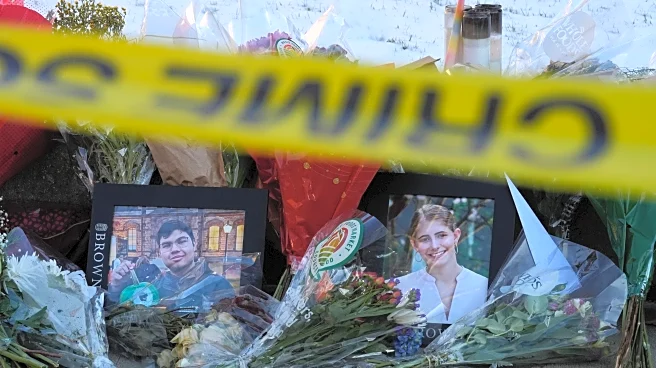




What's Happening?
A recent press conference held on December 18, 2025, to address the resolution of the Brown University shooting incident has been criticized for its focus on self-promotion by public officials. The event, which was meant to provide updates on the situation
following the demise of Claudio Neves Valente, the individual responsible for the shooting, was described as an 'embarrassing' display of political and institutional preening. Attendees and viewers were subjected to lengthy self-congratulatory speeches by various public figures, overshadowing the core purpose of the conference. The criticism highlights a growing trend of careerism over stewardship in public service, as noted by Richard H. Lee from Jamestown in a letter to the Providence Journal.
Why It's Important?
The criticism of the press conference underscores a broader issue of public trust in government and institutional transparency. In times of crisis, the public relies on clear and concise communication from officials. However, when such events are perceived as platforms for self-promotion, it can erode confidence in leadership and detract from the seriousness of the situation. This incident reflects a potential disconnect between public officials and the communities they serve, emphasizing the need for more genuine and focused communication strategies. The response to this criticism could influence how future press conferences are conducted, particularly in sensitive situations involving public safety and community impact.
What's Next?
Moving forward, there may be calls for changes in how press conferences are structured, especially in crisis situations. Stakeholders, including government officials and media representatives, might advocate for a more streamlined approach that prioritizes factual updates and allows for immediate public engagement through Q&A sessions. This could help restore public trust and ensure that the focus remains on addressing the issues at hand rather than on individual accolades. Additionally, there may be increased scrutiny on how public officials handle communication during emergencies, potentially leading to new guidelines or protocols.