
What's Happening?
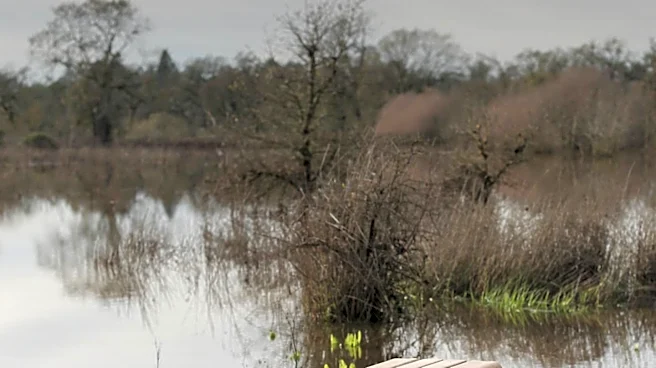
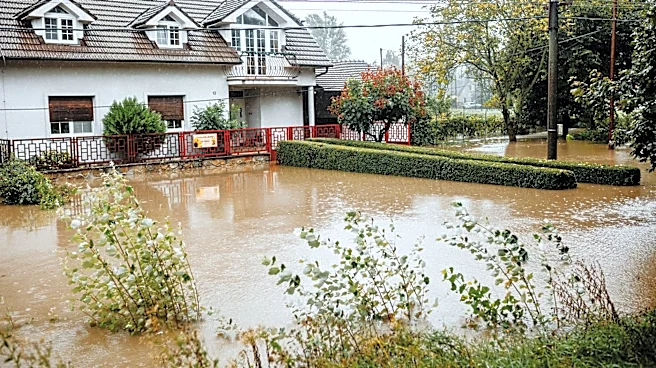
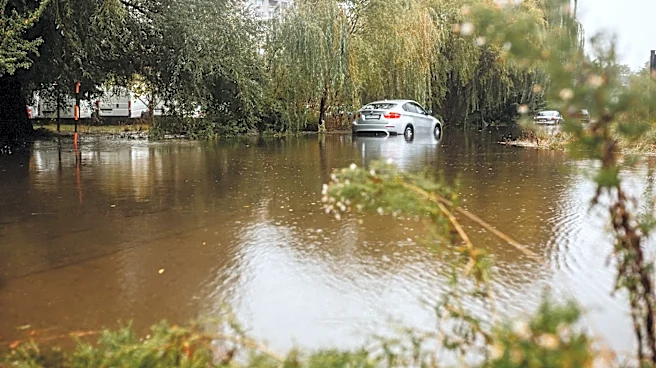
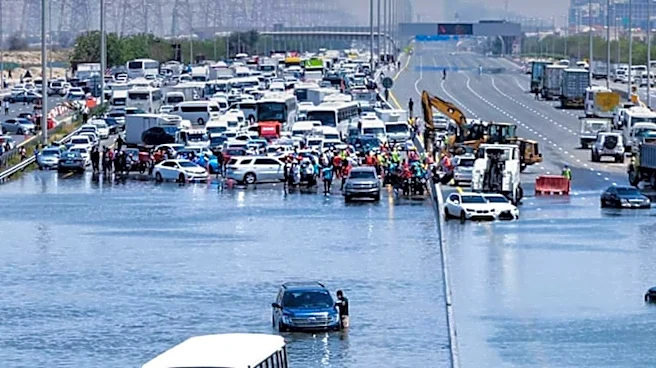
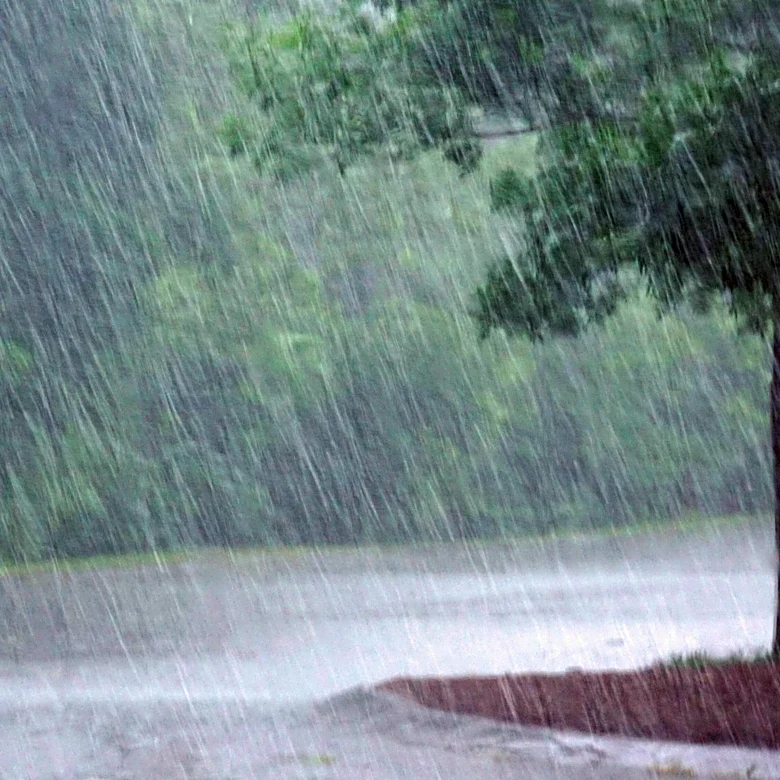
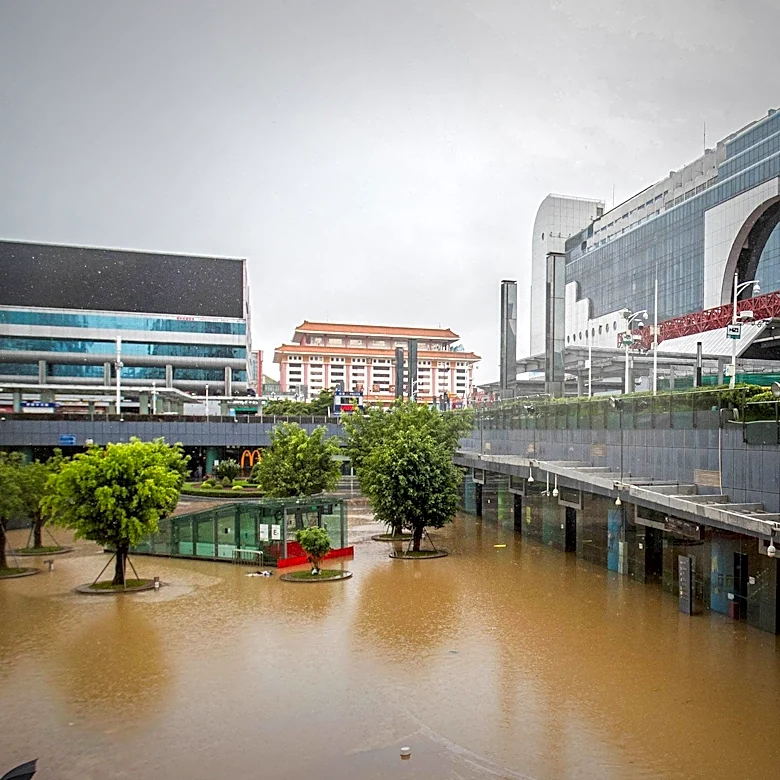
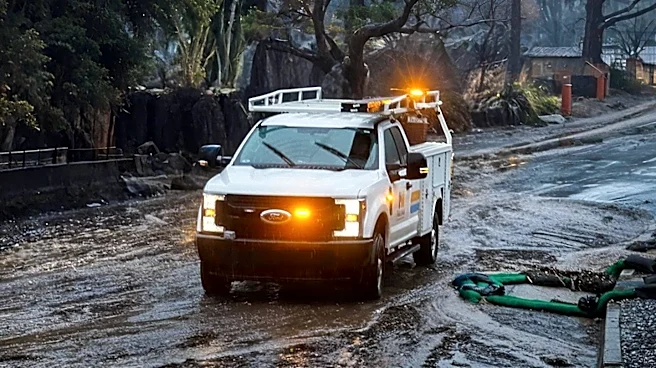
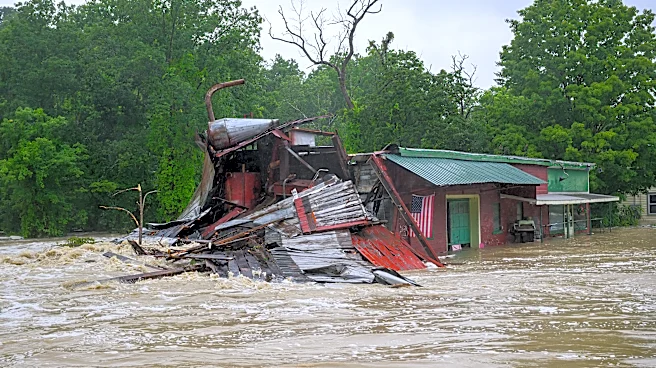
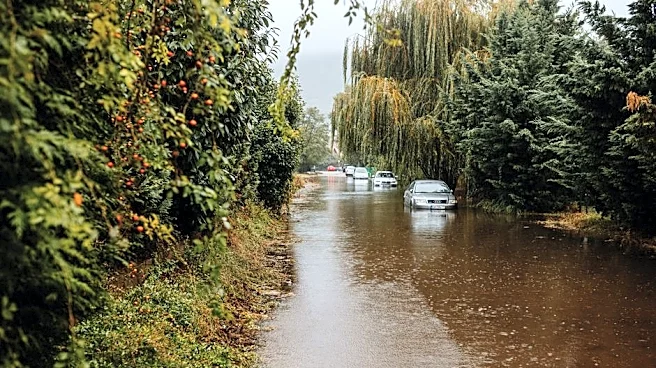
Eastern New York is experiencing dangerous flooding due to slow-moving downpours that have also affected much of New England. The heavy rains have led to water rescues and road closures, with rainfall totals exceeding 7 inches in several areas. In New Jersey,
a tragic incident occurred where a 10-year-old boy was swept away in the Passaic River, and a search is ongoing for a missing 10-year-old girl. The storm has set a record at Albany International Airport with 6.7 inches of rain, marking the city's largest two-day rainfall event. The storm has also caused significant travel disruptions, including over 200 flight cancellations at major New York City airports and Amtrak service suspensions between New York City and Albany.
Why It's Important?
The flooding in eastern New York highlights the increasing frequency and intensity of extreme weather events, which can have significant impacts on infrastructure, public safety, and local economies. The need for emergency services and the deployment of state swiftwater rescue teams underscore the challenges faced by communities in responding to such natural disasters. The travel disruptions affect not only local residents but also have broader economic implications, potentially impacting business operations and tourism. The situation also raises concerns about the adequacy of current infrastructure to handle such extreme weather conditions, prompting discussions on the need for improved flood management and emergency preparedness strategies.
What's Next?
As the storm weakens, the risk of further flooding is expected to decrease, but scattered showers may continue to affect the region. Authorities will likely focus on recovery efforts, including clearing debris and repairing damaged infrastructure. The ongoing search for the missing girl in New Jersey will remain a priority for local officials. In the longer term, this event may prompt state and local governments to reassess their flood management policies and infrastructure resilience to better prepare for future extreme weather events.